Today's cybersecurity landscape demands that analytical tools offer more than just raw functionality; they must achieve peak performance on contemporary hardware. Amidst the meteoric rise of neural networks and the increasing complexity of network architectures, traditional penetration testing methodologies are being fundamentally reimagined. The launch of Parrot OS 7.3 serves as a direct response to these shifts, fusing the rock-solid stability of Debian with cutting-edge optimization frameworks. This release signals a strategic pivot: moving beyond the mere aggregation of software toward a comprehensive systemic overhaul.
The evolution of Parrot OS within its seventh major version reveals a clear strategic trajectory: a shift from the mere quantitative expansion of toolsets toward a qualitative refinement of the execution environment. The release of version 7.3, built upon Debian 13.5 Trixie and Linux kernel 7.0, represents the culmination of an update cycle that began in late 2025. While previous iterations focused on broadening functionality, version 7.3 pivots toward performance optimization and system purity.
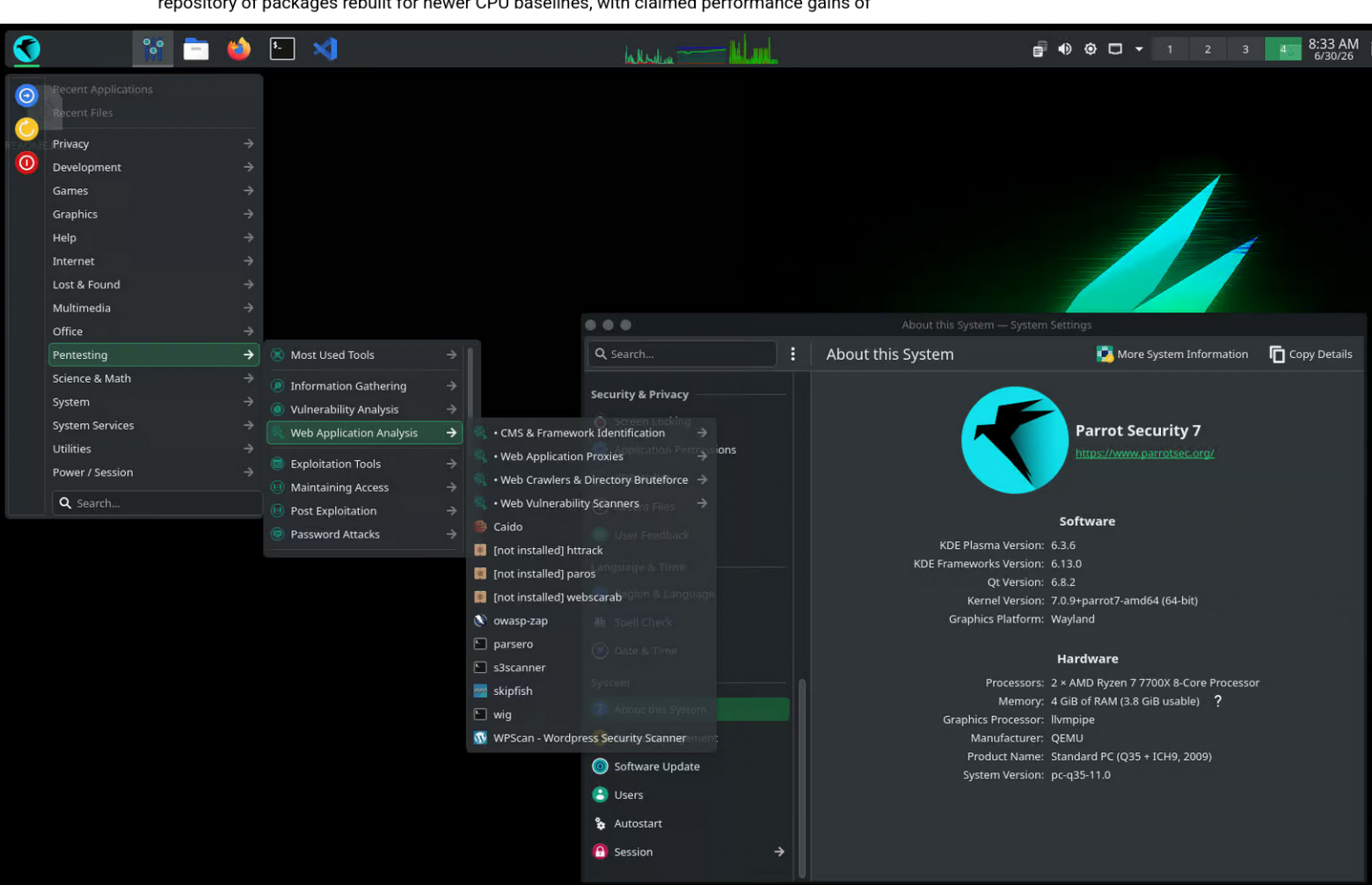
A cornerstone of this phase is the optimized synergy between the OS and modern hardware. The developers have introduced a specialized package repository featuring binaries recompiled for current CPU instruction sets. This has yielded performance gains of up to 50% during resource-intensive computational tasks—a critical advantage for processes such as brute-forcing or deep packet analysis. Simultaneously, the distribution's footprint has been streamlined; Home and Security editions are now leaner due to the removal of redundant tools, resulting in a more responsive and less cluttered system.
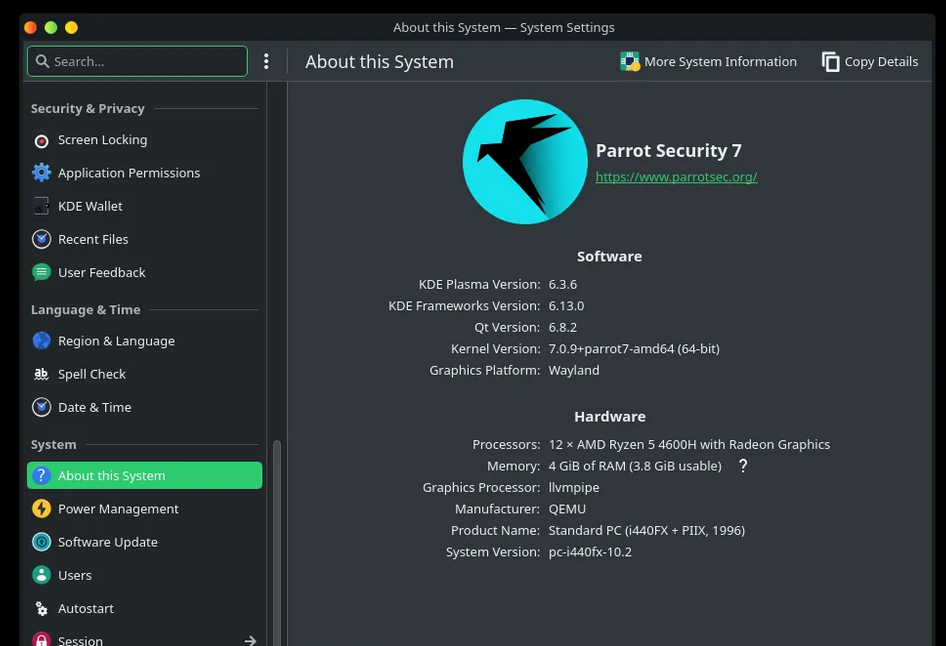
The transition to version 7 marks a genuine technological leap for the project. The implementation of KDE Plasma 6 and the shift to Wayland by default deliver a modern user experience while maintaining system agility through proprietary styling and themes. A pivotal architectural change is the migration of parrot-menu to Go. Leveraging a compiled language with efficient concurrency has significantly accelerated interface responsiveness and decoupled configuration management from the notification system, enhancing overall environment stability.
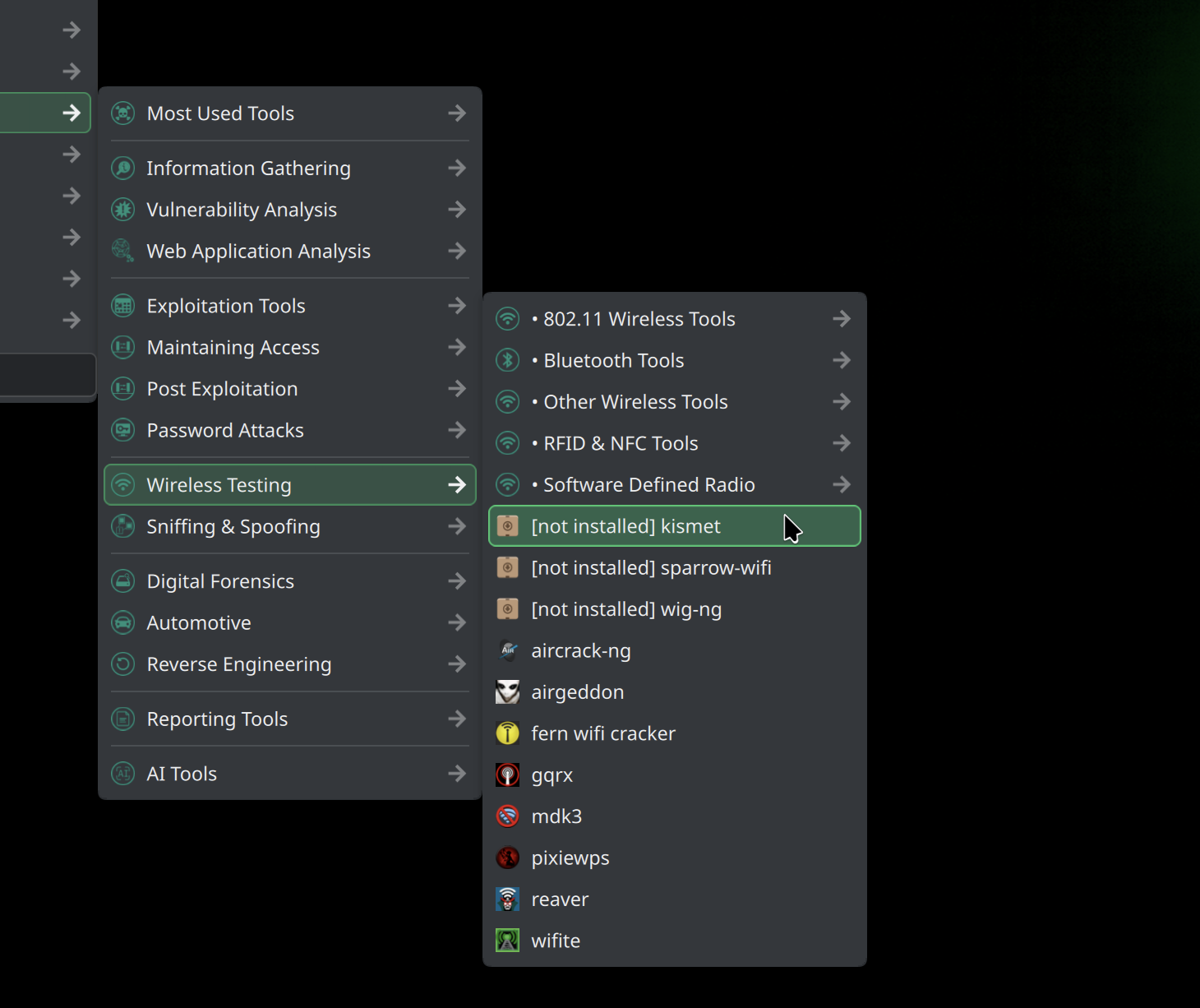
The ethical hacking toolkit has undergone a comprehensive overhaul. Industry standards have been integrated in their latest versions: Metasploit 6.4.136, sqlmap 1.10.4, and Ghidra 12.0.4. Specialized software such as bettercap, airgeddon, and bloodyad has also been updated, providing security researchers with current methodologies for interacting with network protocols and Active Directory. Furthermore, parrot-core now natively supports Flatpak package verification, automating updates and mitigating dependency conflicts.
The integration of artificial intelligence tools warrants particular attention. The introduction of an "AI Tools" category, featuring HexStrike AI, underscores a new paradigm in cybersecurity. The focus is shifting toward testing the security of Large Language Models (LLMs) and combating prompt-based manipulations. The Parrot OS developers are essentially building a sandbox for experimenting with neural network defense mechanisms, acknowledging that a true revolution in information security can only occur when tools exist to govern automation itself.

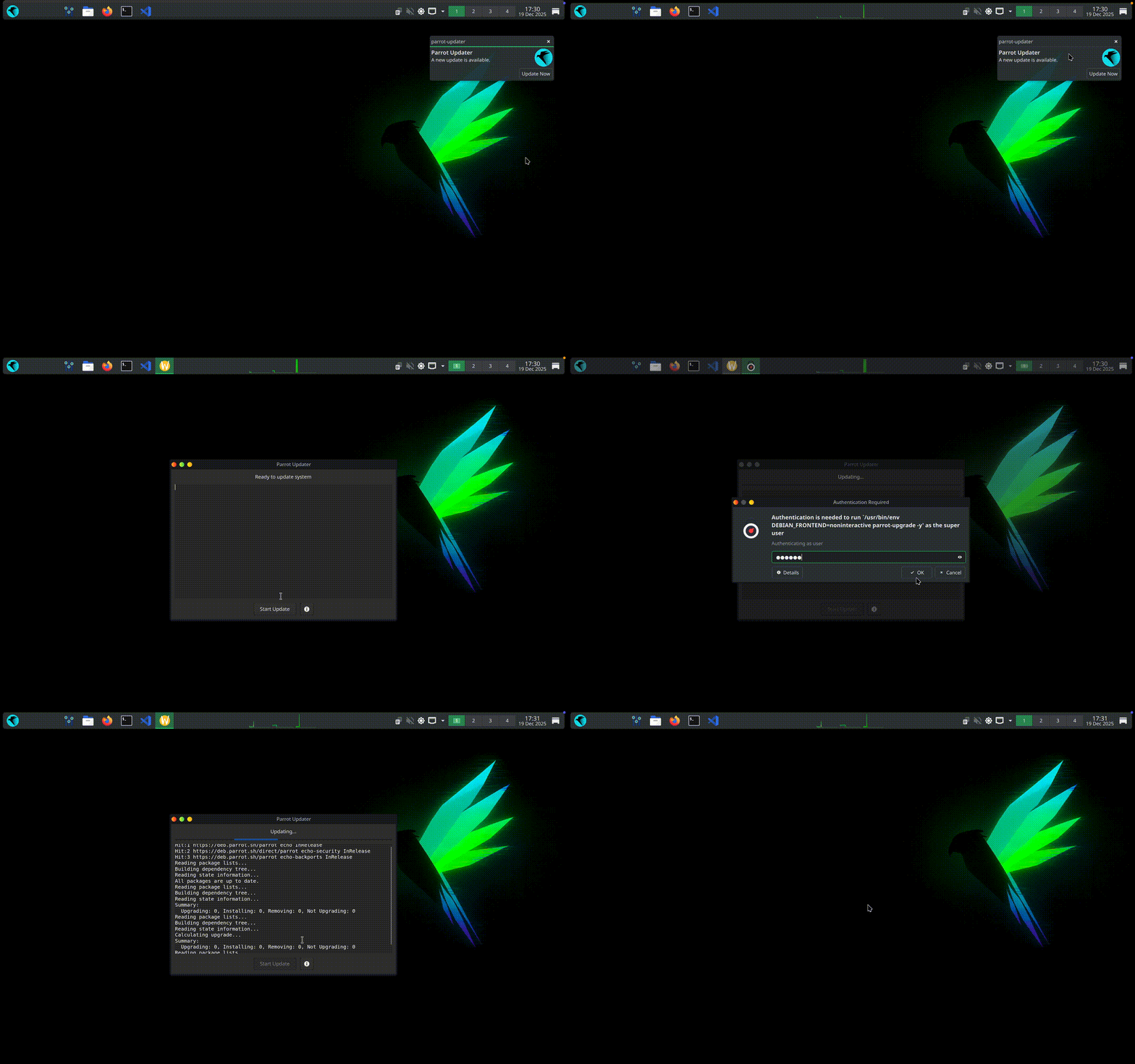
In terms of deployment, the distribution remains versatile: it is available as Live images, containers, and full installation media. The parrot-updater utility has been refined, streamlining the process of keeping the system current.
The question of migrating from version 6.4 to the 7.x branch remains a point of contention. While it is technically possible to preserve the MATE environment, developers strongly recommend a clean installation. This is necessitated by profound changes in the underlying Debian packages and the transition to new graphics stacks, ensuring maximum stability and long-term performance.
 The Price of Acceleration: CXMT’s Rapid Push into Memory