Modern smart TVs are evolving beyond mere media hubs, stealthily transforming into active nodes within global networks—often without the user's knowledge. The widespread integration of covert proxy servers into consumer software poses significant security and privacy risks for millions of users worldwide. In response, LG Electronics USA has launched an aggressive purge of its app store, aiming to dismantle the trend of weaponizing home appliances as conduits for bypassing network restrictions. This move signals a strategic shift toward more rigorous oversight of third-party software across the Smart TV ecosystem.
The covert exploitation of residential IP addresses has migrated from the niche domain of cybersecurity specialists into the living rooms of average consumers. Residential proxies—a technology that routes traffic through actual home devices—render requests virtually indistinguishable from legitimate human activity. For malicious actors or firms engaged in aggressive data scraping and ad fraud, these networks are invaluable, as they bypass security systems that easily flag and block data center traffic.
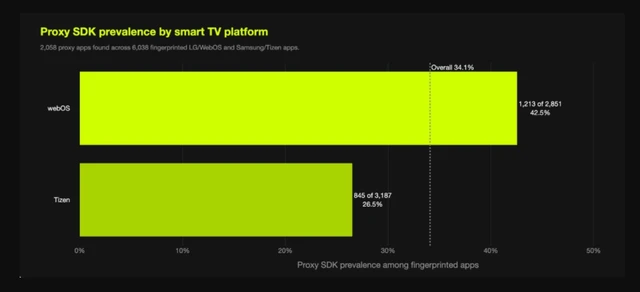
Research conducted by analysts at Spur has uncovered a disturbing trend: a significant portion of applications on the webOS platform effectively transform televisions into proxy nodes. Nearly half of the store's entire catalog—over 42% of apps—contain specialized SDKs designed to build such networks. Notably, this is a systemic issue not limited to LG; similar tools were discovered in more than a quarter of all applications within Samsung’s Tizen ecosystem.
The most insidious aspect of this practice is the camouflage. Proxy functionalities are integrated into seemingly harmless software: simple games like Pac-Man, screensavers, or basic file managers. Users install these utilities for convenience, unaware that their device has become a gateway for third-party traffic—a scenario that can lead to network degradation and potential security vulnerabilities within the local segment.
LG Electronics USA has responded decisively. Senior Vice President John Taylor notified developers that all residential proxy capabilities must be removed from their products immediately. The ultimatum is clear: any application retaining this functionality will be blocked and purged from the store.
Beyond a surgical cleanup of the current catalog, the company is overhauling its entire moderation paradigm. The vetting and onboarding processes for new webOS applications are becoming significantly more stringent to prevent such "grey" tools from resurfacing. This shift reflects a broader industry trend toward heightened data privacy controls—a direction further evidenced by LG's other initiatives, including warnings to users regarding the legal responsibilities of recording third-party voices via built-in microphones.
 Project Zenith: The Uncompromising Development Environment