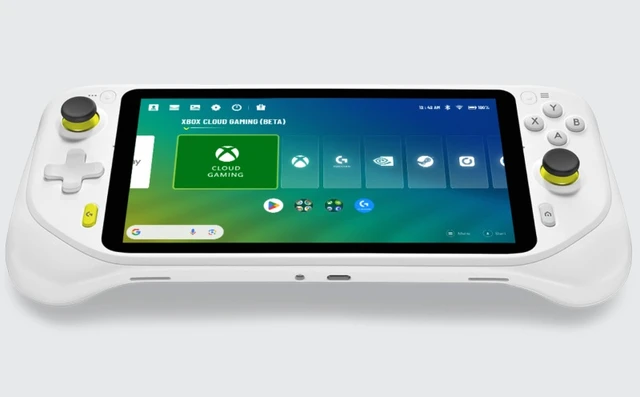
The dream of a pocket-sized, universal gaming device has long been the "Holy Grail" of the consumer electronics industry. However, reality frequently proves more punishing than ambition—a fact starkly illustrated by Logitech’s foray into the handheld console market. The G Cloud project serves as a textbook example of the inherent fragility of hardware solutions that rely exclusively on cloud ecosystems. This case exposes profound systemic fractures within modern streaming infrastructure and the underlying economics of content distribution.
The saga of the Logitech G Cloud is more than just a chronicle of a failed product; it is an illustration of the fundamental disconnect between technological vision and actual user experience. Leadership within the company's gaming division has reached a definitive conclusion: launching a next-generation handheld is currently futile. The statistics are brutal: approximately 80% of buyers, initially inspired by the promise of cloud gaming, eventually left their devices to gather dust in a drawer.
The core issue was that the G Cloud attempted to implement a use case for which the market was simply not ready. While the device promised liberation from local hardware constraints by offloading the computational heavy lifting to remote servers, users in practice were confronted with an imperfect environment. It became evident that faith in a technology does not always translate into a daily habit if the device fails to meet a gamer's fundamental requirements for stability and instantaneous response.
One of the primary obstacles was the stagnation of cloud computing infrastructure itself. Cloud gaming has hit an economic impasse: operating such systems is prohibitively expensive—a fact corroborated by industry leaders, including Microsoft. The exorbitant cost of maintaining server capacity renders the streaming model far less viable than originally envisioned, turning it into a costly venture with diminishing returns.
Beyond the technical hurdles, Logitech faced an existential crisis regarding its business model. Handheld consoles can only succeed by achieving massive sales volume, and such success is almost always tied to content ownership. Nintendo and Valve (the architects of Steam) control their own ecosystems and game libraries, creating a powerful synergistic effect. Logitech, conversely, remained a mere hardware manufacturer devoid of its own software foundation, leaving its market position precarious.
Nevertheless, the company has not entirely written off cloud technology. Strategic dialogues continue with giants like Microsoft and Tencent in hopes of a radical reduction in infrastructure costs. There is an optimistic forecast: the evolution of artificial intelligence could lead to new types of data centers which, as they become obsolete for AI tasks, could be repurposed for cloud gaming, significantly driving down operational costs.
Simultaneously, the industry is exploring alternative ways to hedge against economic risks. Sony, for instance, views devices like the PlayStation Portal as a means to combat the ever-increasing cost of memory and storage. In a world where modern titles demand hundreds of gigabytes of space, transitioning to data streaming becomes more than just a convenience—it becomes a strategic imperative to reduce the final cost of the hardware.
 A Comprehensive Refresh of Apple's Global Product Portfolio