Searching for a specific file among millions of objects often becomes a critical productivity bottleneck, reducing the user experience to one of tedious anticipation. While the Windows ecosystem solved this challenge years ago with the legendary Everything utility, Linux users have long lacked an equivalent in terms of raw speed and efficiency. The arrival of FSearch represents a concerted effort to build a high-performance, standalone tool for filesystem navigation—a project that reimagines data indexing to meet the rigorous demands of power users.
FSearch is built upon a philosophy of extreme resource efficiency paired with uncompromising performance. To achieve near-instantaneous responsiveness, the project is implemented in C—one of the few languages providing the low-level control over memory and system calls necessary for such optimization. The choice of the GNU General Public License v2.0 underscores its open-source nature, ensuring the tool remains accessible to the community and transparent from a security standpoint.
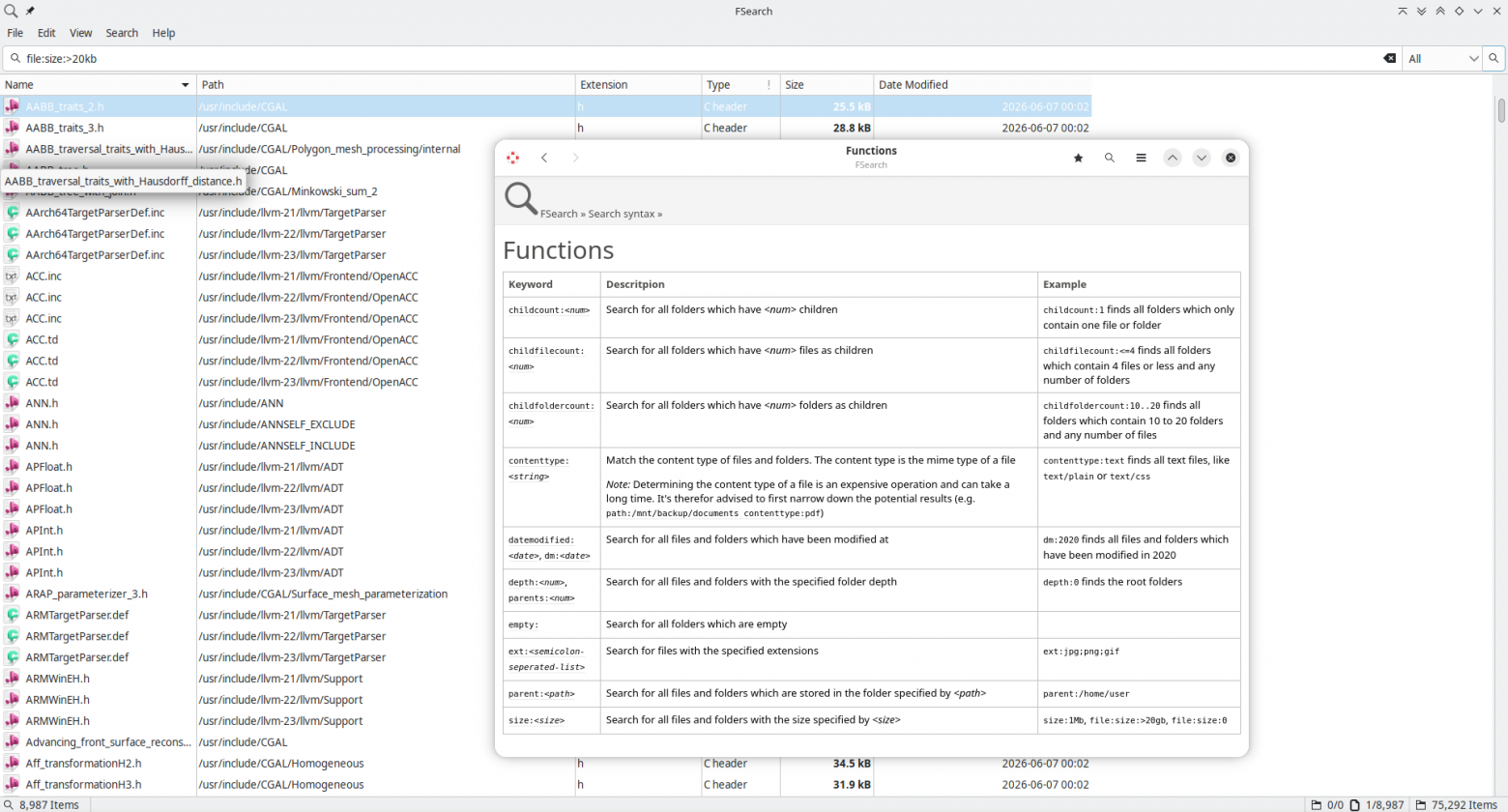
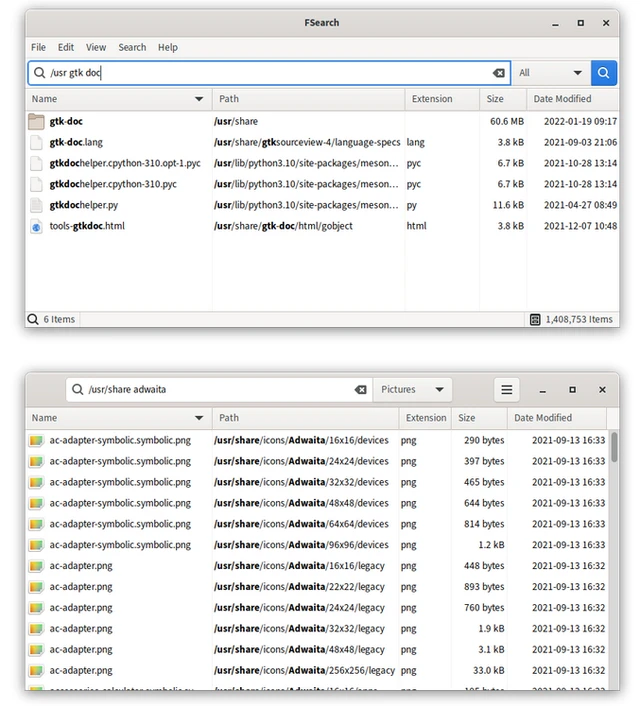
The utility's core functionality centers on the concept of "on-the-fly" searching. Users receive results in real-time as they type each character, eliminating the tedious wait for a scan to complete. For granular control over search results, FSearch implements an advanced syntax that supports regular expressions and flexible patterns. A robust filtering system allows users to instantly isolate noise, focusing exclusively on files, directories, or a combination of both.
Particular emphasis is placed on index management. Users can precisely define which areas of the file system should be indexed and which should be entirely ignored. This optimizes RAM and disk space utilization by excluding temporary folders or system archives from the index. The interface remains highly adaptable, supporting both classic menu bars and custom themes, ensuring seamless integration across various desktop environments based on Qt5 or GTK3.
The evolution of the project in version 0.3 elevated FSearch from a simple search tool to an intelligent monitoring utility. The application can now track file system changes in real-time, removing the need for manual re-indexing. Exclusion rules have also become more sophisticated; files and folders can now be omitted from the index not only by name but through complex regular expressions.
A pivotal technological leap was the implementation of dynamic media detection. When a removable drive is disconnected and subsequently reattached, FSearch automatically recognizes its presence and triggers a fresh scan. This transforms the utility into a comprehensive data management hub that remains perpetually up to date.
The development of FSearch was a direct response to a systemic void in the Linux ecosystem: the lack of high-performance search tools. An analysis of existing solutions—from MATE Search Tool to Catfish and Recoll—revealed that most are either too tightly coupled with specific file managers or burdened by bloated dependencies that degrade performance. FSearch carves out its own niche as a standalone, lightweight, and blisteringly fast application, independent of the desktop environment and engineered for those for whom every millisecond counts when navigating massive datasets.
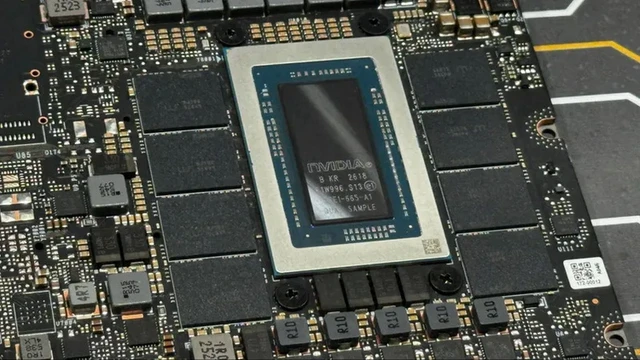 Nvidia N1X and the New Era of Arm PCs