The video game industry is undergoing a fundamental paradigm shift in content distribution. Sony's decision to phase out physical media entirely by 2028 signals the definitive transition toward a digital-first economy. While major publishers frame this as a natural market evolution, consumers are grappling with the erosion of basic ownership rights. This trajectory exposes a profound tension between corporate profit optimization and the critical imperative of game preservation.
Sony’s decision to phase out support for physical media on the PlayStation platform by 2028 has ignited a fierce debate over the future of console gaming. While the gaming community has reacted with apprehension, industry leaders—most notably within Ubisoft—view the shift with pragmatic optimism. From the perspective of major publishers, a total transition to digital distribution is not a catastrophe; rather, it could serve as a catalyst for further market growth.
The primary argument rests on the precedent set by the PC segment. The "Steam phenomenon" has demonstrated that centralized digital storefronts do not stifle interest in gaming; instead, they enhance accessibility by streamlining the purchasing process and simplifying content updates. Such a transformation could potentially lower the entry price for consoles by removing costly disc drives from the hardware specifications.
However, beneath this veneer of accessibility lies a cold economic logic. For Sony, shifting exclusively to digital sales represents a radical restructuring of revenue streams. With physical discs, the company must share profits with retailers and logistics providers. In contrast, with a digital copy of a first-party exclusive—such as Marvel’s Wolverine—the corporation captures nearly the entire margin by eliminating intermediaries.
Simultaneously, hardware costs are becoming a critical factor. It is anticipated that the next generation of consoles, the PlayStation 6, will face significant increases in manufacturing costs due to the rising price of high-tech components. In this climate, abandoning the optical drive becomes one of the few effective levers for optimizing production and logistics expenditures.
Despite the corporate advantages, this model introduces substantial risks for the end consumer. The most pressing concern is the fundamental transformation of "ownership." By purchasing a digital version of a game, the user is not acquiring a product, but rather a temporary license to access it. This jeopardizes the long-term preservation of gaming heritage: should servers be decommissioned or licensing agreements expire, games could vanish irrevocably.
Furthermore, the secondary market for pre-owned games faces extinction. The ability to trade and resell discs has historically allowed gamers to save significantly and access vast libraries of titles at affordable prices. The disappearance of physical media effectively dismantles this democratic mechanism, locking users within a closed ecosystem.
While analysts and executives argue that these changes will have a negligible impact on overall industry metrics, a wave of discontent is swelling across social media. The tension between corporate drives for maximum profitability and the players' desire to maintain control over their own collections has become one of the defining conflicts in the modern gaming discourse.
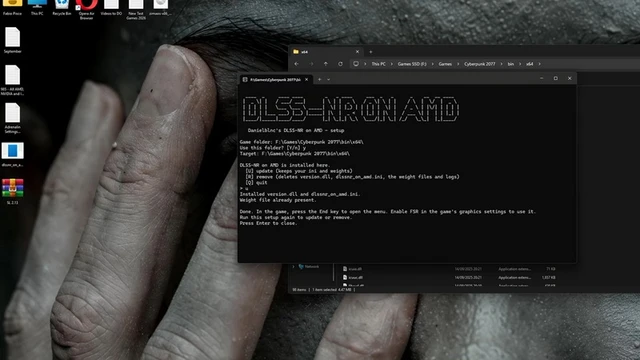 Porting DLSS 5 to the Radeon RX 9000