In an age defined by digital hegemony and algorithmic image manipulation, we are witnessing a paradoxical resurgence of interest in analog media. Film photography has evolved beyond mere nostalgia; it has become a deliberate instrument for aesthetic exploration and a means of decelerating the relentless pace of modern existence. Japanese industry titan Fujifilm is leaning into this trend with a refresh of its QuickSnap line of single-use cameras. The latest iterations offer users a choice between the stark, radical minimalism of monochrome and uncompromising durability designed for extreme environments.
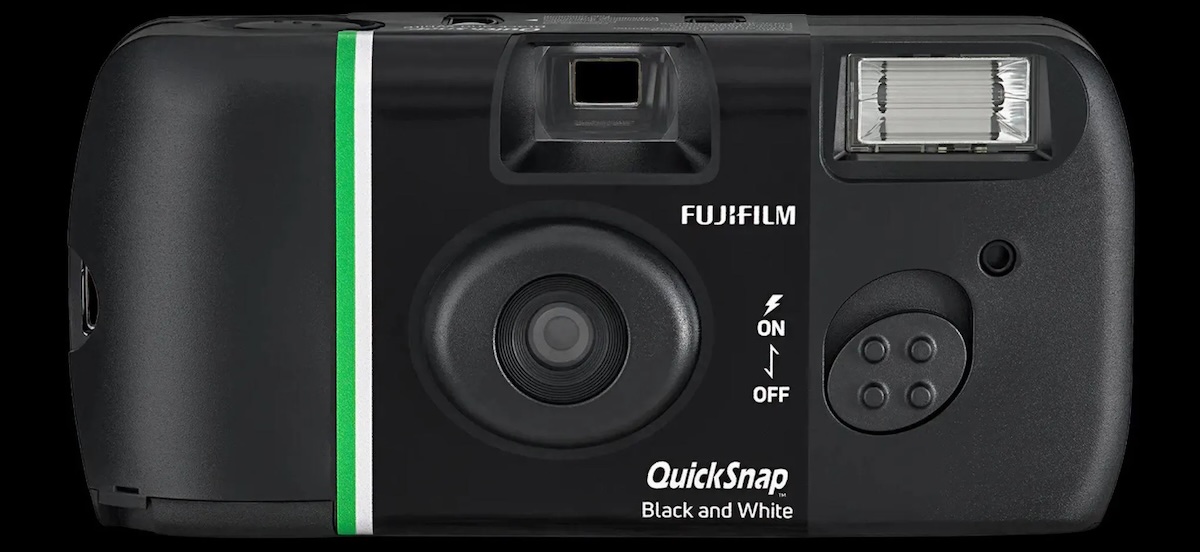
The contemporary visual content landscape is witnessing a striking craving for "tangibility," positioning disposable cameras as the ideal entry point into the world of analog photography. Fujifilm is expanding its footprint in this segment with the introduction of two models designed for fundamentally different purposes: the QuickSnap Black and White and the QuickSnap Active.
The Black and White model is tailored for those who prize graphic precision and dramatic flair. By utilizing specialized monochrome film, it achieves deep contrast, expressive tonal transitions, and that signature grain structure that remains impossible to fully replicate with digital filters. A key technical advantage is the development process, which is compatible with standard color laboratories. This removes the primary barrier for novices: the need to seek out niche services capable of processing monochrome negatives.
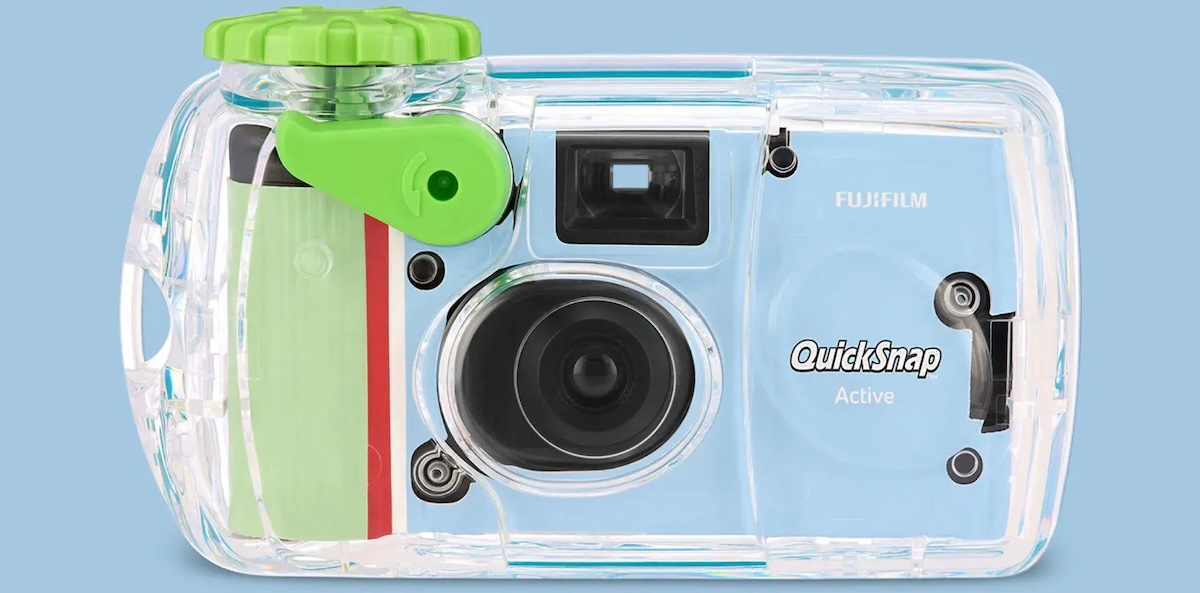
Conversely, the QuickSnap Active is engineered for those whose journeys lead them beyond the curated confines of urban streets. The camera features a ruggedized chassis capable of withstanding submersion up to 10 meters, effectively transforming it into a fully functional underwater imaging tool. The device's ergonomics have been overhauled for extreme environments: a substantial green rewind dial and a lever-action shutter release ensure confident operation even when wearing gloves or filming underwater. This model succeeds the previous waterproof iteration, offering enhanced protection and superior usability.
These releases are part of a broader strategic pivot by Fujifilm to diversify its portfolio. The company is skillfully balancing cutting-edge technology with retro aesthetics. While expanding its "disposable" offerings, the brand is simultaneously deploying sophisticated hybrid ecosystems, such as the Instax LiPlay Plus, which integrates capture, printing, and even audio recording capabilities.
Meanwhile, the professional segment continues to receive high-performance tools—such as the X-T30 III, featuring 6K video support and advanced film simulation algorithms. This underscores the manufacturer's ambition to merge digital power with a classic visual lexicon. Despite general market volatility that led to pricing adjustments last year, Fujifilm continues its expansion, releasing products like the Instax Mini Evo Cinema, which transform the act of photography into a curated cultural ritual.

 The Evolution of Apple's Augmented Reality Ecosystem