The contemporary display market is navigating a period of radical transformation, where the divide between professional-grade color fidelity and competitive esports speed is effectively evaporating. At IFA 2026, Acer debuted a new suite of monitors that pushes the boundaries of QD-OLED and IPS panel technology. The spotlight falls on extreme refresh rates and ultra-high resolutions, engineered to satisfy the most exacting power users. This launch signals a paradigm shift toward an era where a 1,000Hz refresh rate is no longer a marketing aspiration, but a tangible technical reality.
Acer’s strategy for its latest generation of displays is defined by a clear demarcation between high-end content creation tools and extreme gaming hardware. The unifying thread across the entire series is Adaptive Contrast Management (ACM) technology, which ensures deep blacks and vivid imagery regardless of the panel type. Depending on the user's workflow, Acer offers a choice between professional-grade 10-bit QD-OLED panels and high-efficiency 8-bit IPS or VA matrices.
The pinnacle of engineering for creative professionals is the Predator X32 V3. This device features an innovative QD-OLED Penta Tandem panel, merging the flawless contrast of organic LEDs with enhanced brightness and long-term durability. The 31.5-inch 4K display delivers a 180Hz refresh rate and a near-instantaneous 0.03ms response time, virtually eliminating motion blur. With 99% DCI-P3 color gamut coverage and a peak brightness of 450 nits, this monitor establishes itself as the gold standard for color grading and high-fidelity video production.
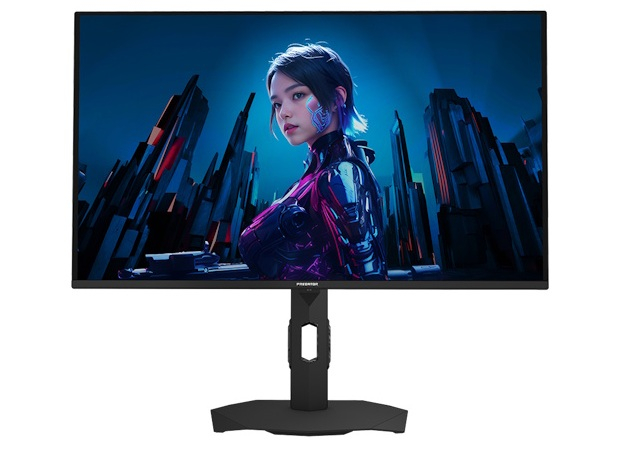
Equally compelling is the Nitro XV275X P, which brings ultra-high-density resolution to the 27-inch segment. With a resolution of 5120 × 2880 pixels, it effectively provides the user with 5K-level pixel density. Particular attention has been paid to the backlight: Mini-LED technology with 2,304 local dimming zones allows for a peak brightness of 1,400 nits, creating an extraordinary dynamic range. The device remains remarkably flexible; thanks to Dynamic Frame Rate (DFR) technology, users can switch from a base of 165Hz to 330Hz by reducing the resolution to 2560 x 1440 pixels.
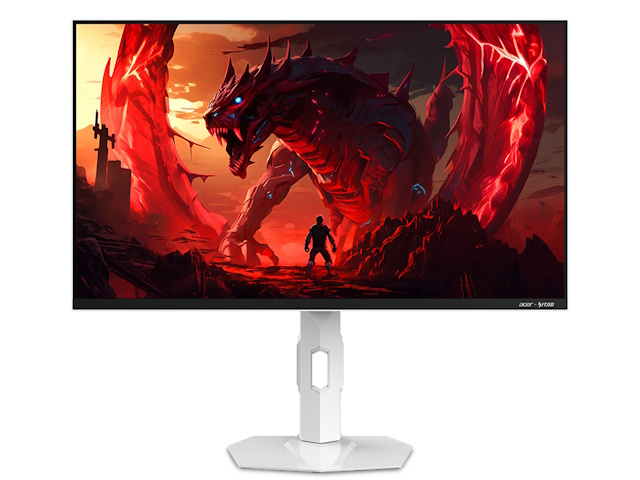
For those demanding uncompromising speed, Acer has introduced the Predator XB253Q U1—a device that pushes the physical limits of display technology. Its 24.5-inch Full HD IPS panel is capable of operating at a staggering 1,000 Hz. This frequency, combined with a 0.3ms response time, transforms the monitor into a precision instrument for competitive esports, where every millisecond is critical. Despite its focus on raw speed, the device maintains respectable color accuracy with 90% DCI-P3 coverage.
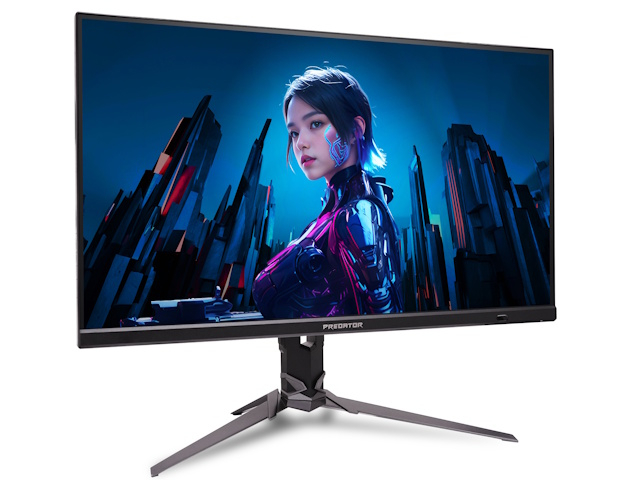
Parallel to these specialized tools, Acer is advancing its hybrid solutions. The Predator XB273K V7 offers a classic 4K IPS screen with a 160Hz refresh rate, but also supports DFR mode, allowing the panel to be pushed to 500Hz when switching to Full HD resolution. This versatility makes the monitor a dual-purpose powerhouse: a professional graphics workstation by day and a high-performance gaming rig by night.
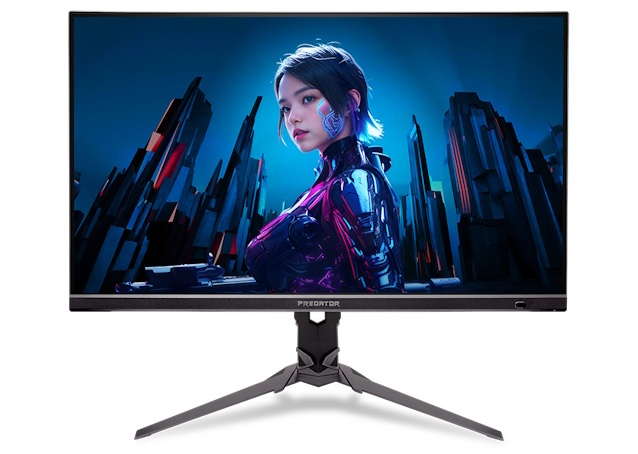
The Nitro lineup also introduces streamlined solutions for the mainstream gaming market. The XV275U Z2, featuring QHD resolution (2560 × 1440), operates at 275Hz, but also implements the DFR mechanism to reach 520Hz when dropping the resolution to 720p. With a brightness of 500 nits and excellent color reproduction, this monitor represents a sophisticated compromise for those unwilling to sacrifice image quality for speed.
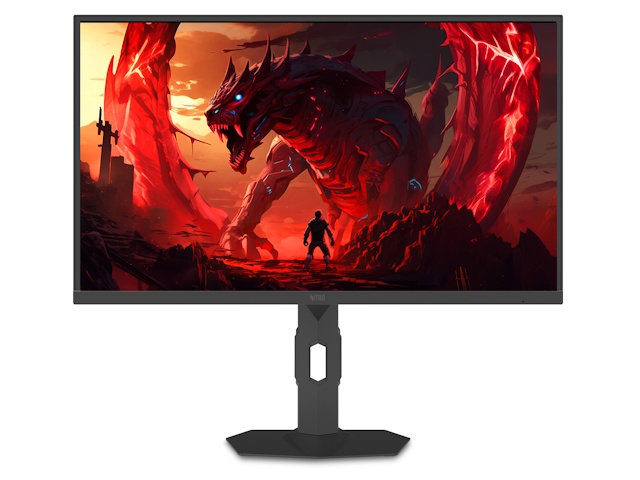
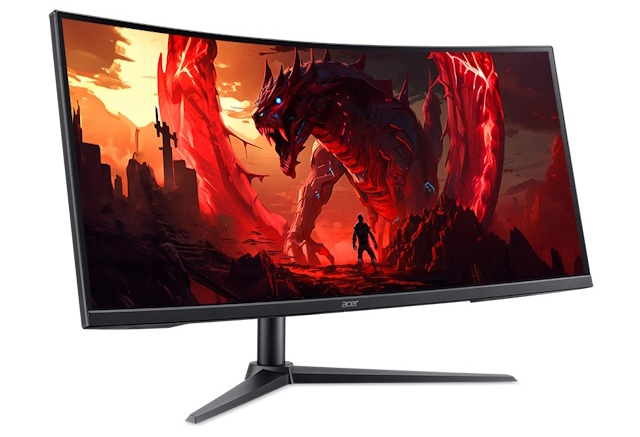
For enthusiasts of immersive depth, Acer offers the Nitro XZ340CKR P—a curved 34-inch monitor based on a VA panel. With an ultra-wide 2.37:1 aspect ratio and a resolution of 5120 × 2160 pixels, it creates a sense of total immersion. The device supports 180Hz in its native mode and up to 360Hz when switching to 2560 × 1080, making it equally suited for expansive RPGs and fast-paced shooters.
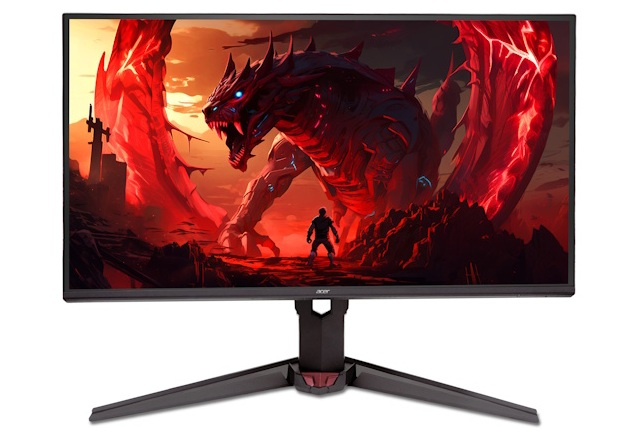
Rounding out the series is the Nitro XV270U Z3, which mirrors the refresh rate specifications of its siblings (275Hz with a DFR overclock to 520Hz) but offers a more accessible brightness level of 250 nits. This solution is targeted at users who prioritize maximum motion fluidity under typical ambient lighting conditions.
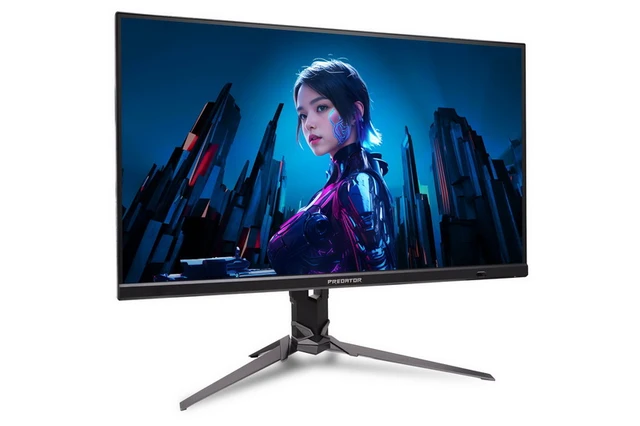
Acer's overarching trajectory is clear: the company is moving away from fixed specifications toward adaptive systems. The ability to dynamically trade resolution for refresh rate via DFR is becoming a new industry standard, allowing a single device to cater to the demanding needs of both the professional designer and the elite gamer.
 The Horizon of China's Technological Sovereignty in Lithography