Over the past decade, the architecture of the desktop processor has undergone a fundamental metamorphosis, evolving from a monolithic die into a sophisticated, multi-layered system. The trajectory from the quad-core Core i7-6700K to the 24-core powerhouses of the modern Core Ultra lineup has been marked by dramatic technological pivots and costly strategic missteps. Intel has weathered a tumultuous period characterized by fabrication node crises, experimental ventures into hybrid core architectures, and a constant battle against silicon degradation under extreme clock speeds. This retrospective offers a critical lens into the true cost of these performance gains and provides insight into the current trajectory of the industry.
The evolution of Intel's flagship solutions over the past decade has been far from a linear progression. Instead, it has been a series of staccato bursts, protracted stagnations, and forced strategic pivots. While the industry viewed four cores as the high-performance standard in 2015, we now operate within heterogeneous systems where diverse core types distribute workloads based on priority and power efficiency.
This era began with the legendary Skylake family. This architectural bedrock proved so successful that it defined the trajectory of mainstream CPUs for nearly six years. Intel's engineers implemented profound enhancements, expanding the out-of-order execution window and optimizing branch prediction, creating a robust foundation for subsequent iterations. The Core i7-6700K became the gold standard of its time, although it also marked the beginning of Intel restricting the overclocking capabilities previously enjoyed by enthusiasts.
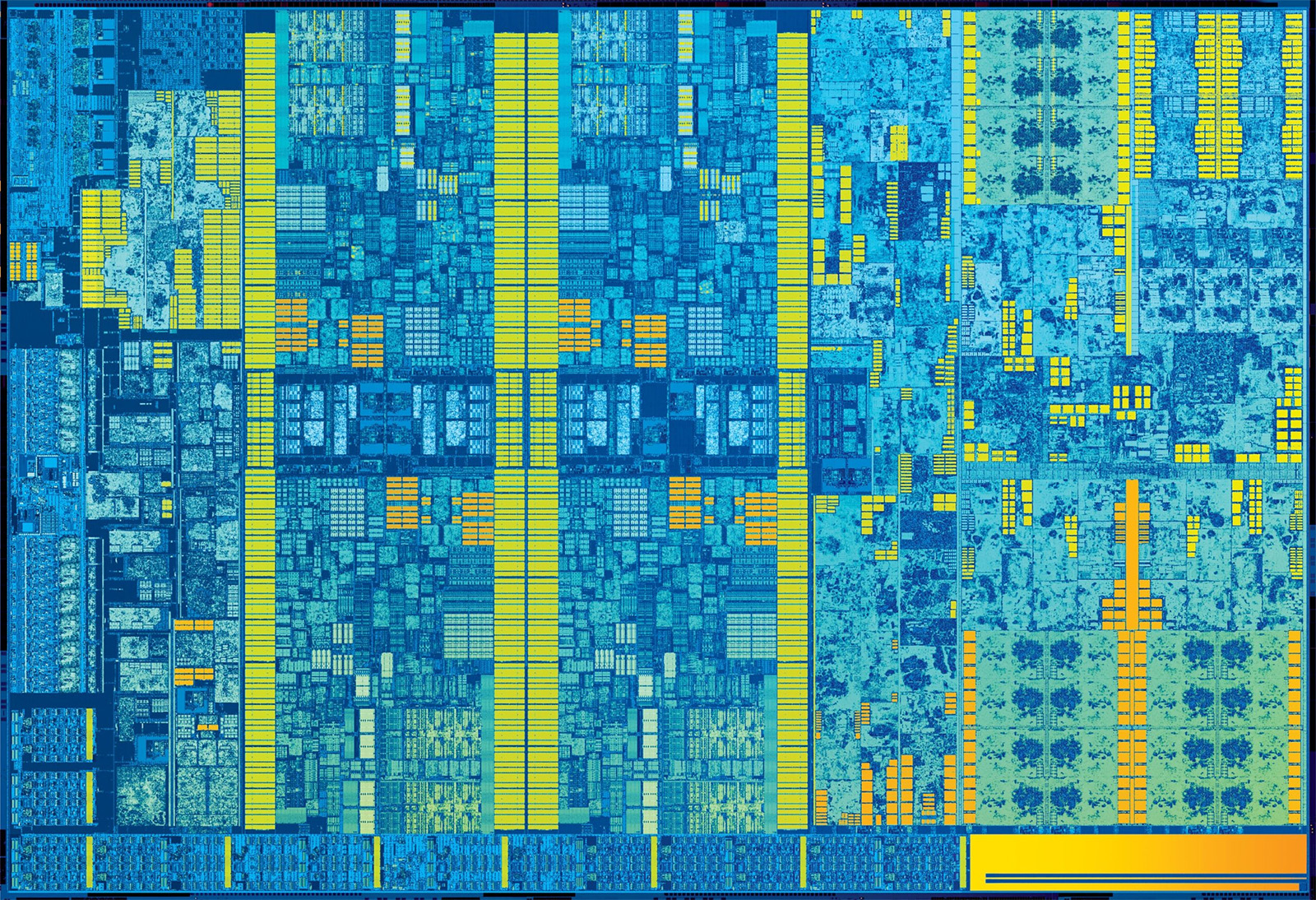
Beneath this outward success, however, a crisis was brewing. The "Tick-Tock" strategy—which predicated regular alternations between process node shrinks and microarchitectural refreshes—collapsed. Struggles with the 10nm node forced Intel to exhaustively leverage the 14nm process. This gave rise to Kaby Lake and Coffee Lake; the former was essentially a frequency optimization, while the latter was a direct response to the emergence of competitive offerings from AMD. For the first time in years, Intel was forced into extensive scaling of core counts, moving from four to six, and eventually to eight.
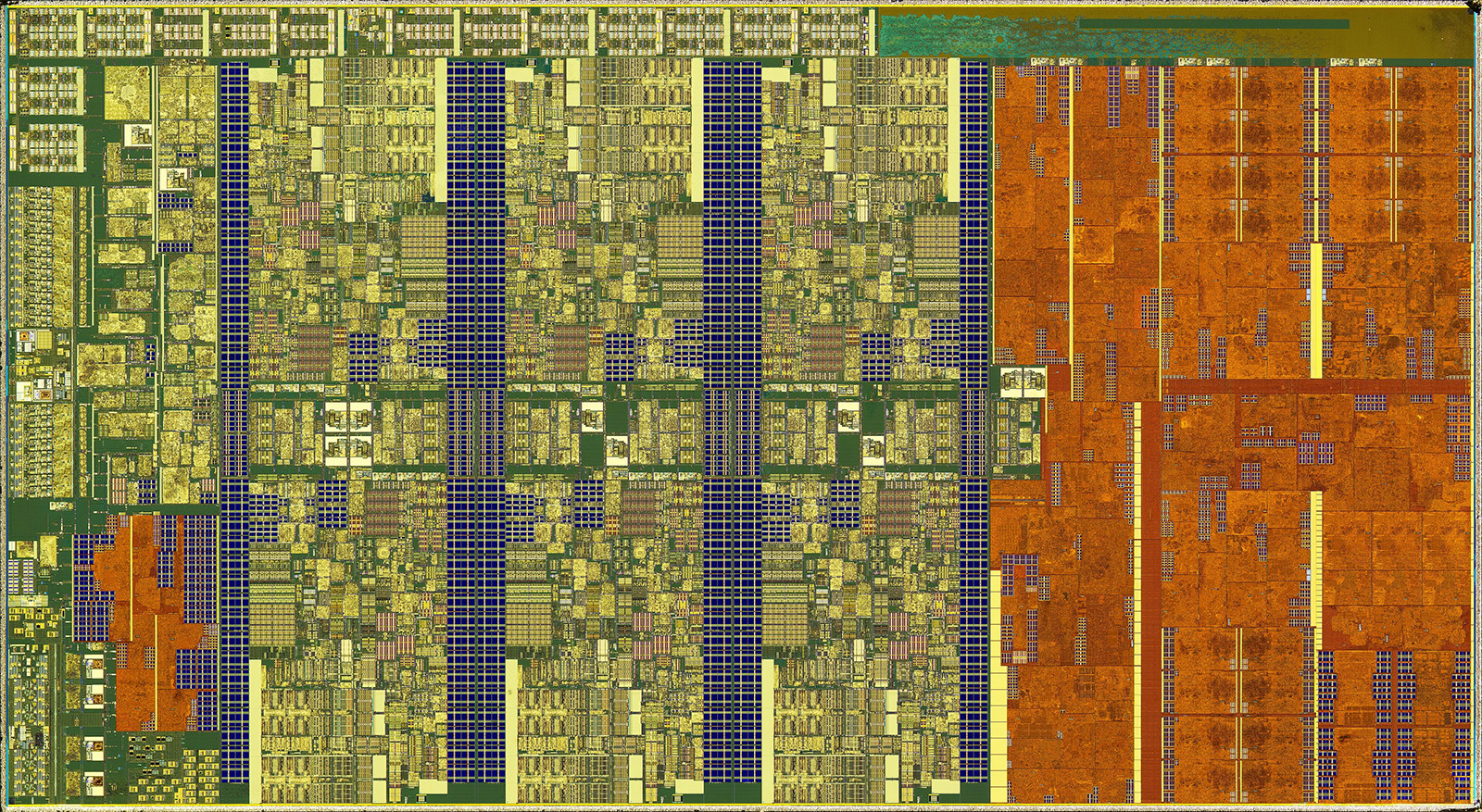
The Coffee Lake Refresh and Comet Lake periods represented the culmination of the "14nm era." The Core i9-9900K and Core i9-10900K delivered impressive raw power, but this growth came at a steep price. To maintain dominance in single-threaded tasks and gaming, Intel adopted a strategy of aggressive frequency scaling and increased power draw. PL2 power limits began hitting 250W, transforming flagships into thermal behemoths that demanded sophisticated liquid cooling systems.
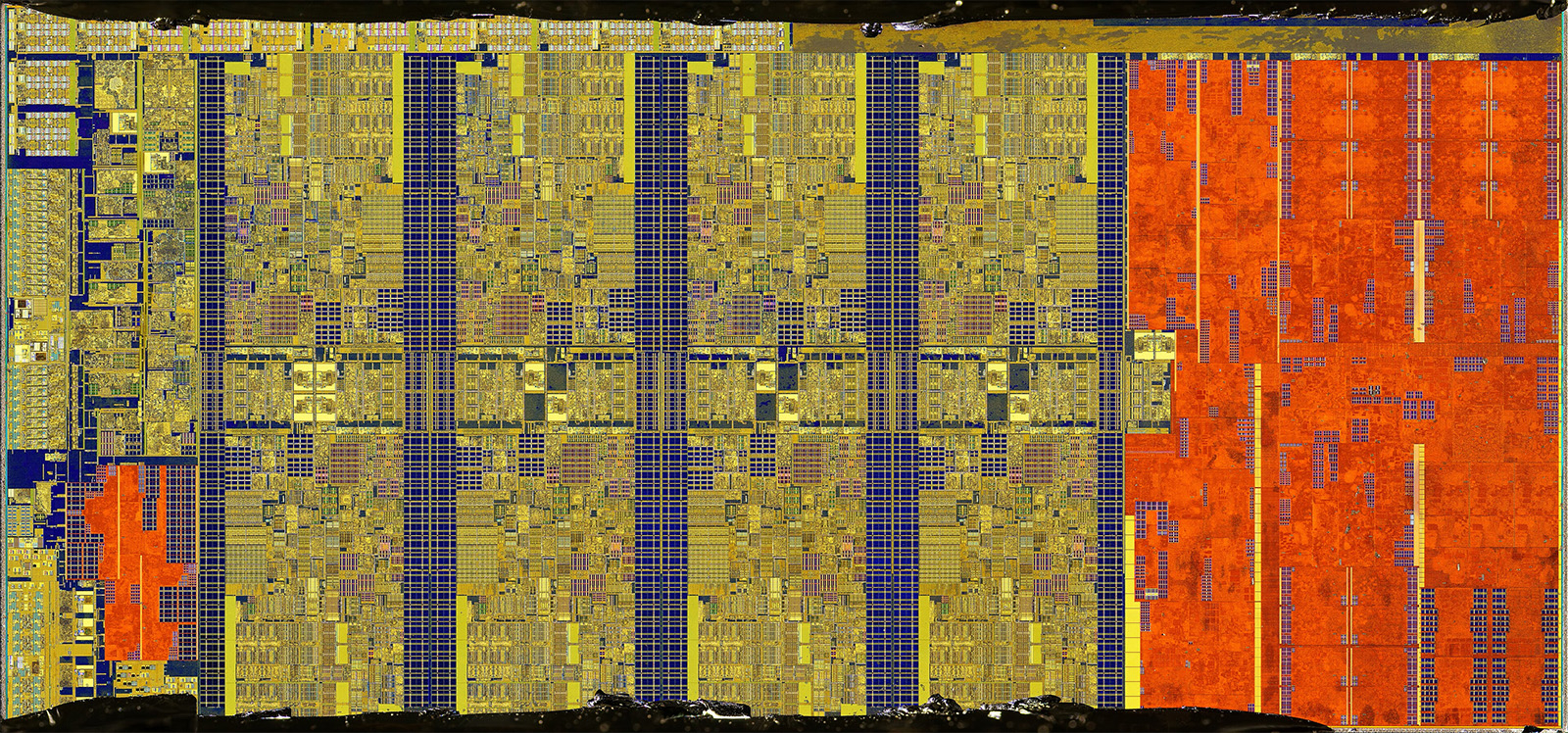
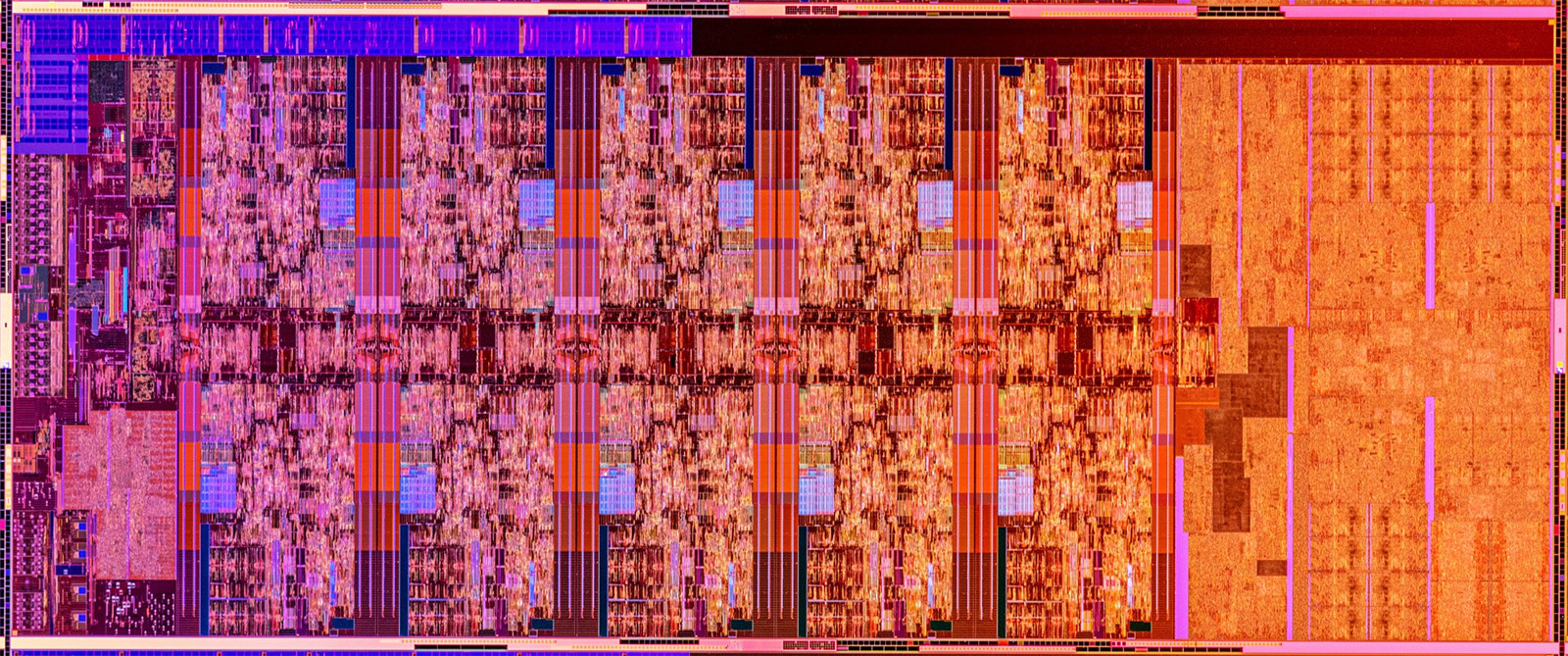
Rocket Lake served as a peculiar transitional phase. It was a unique, somewhat awkward attempt to port the 10nm Cypress Cove core back onto the aging 14nm process. The result was the Core i9-11900K—a processor boasting excellent single-threaded performance and AVX-512 support, but with a reduced core count (dropping from 10 back to 8). This solution was a temporary bridge toward a genuine revolution.
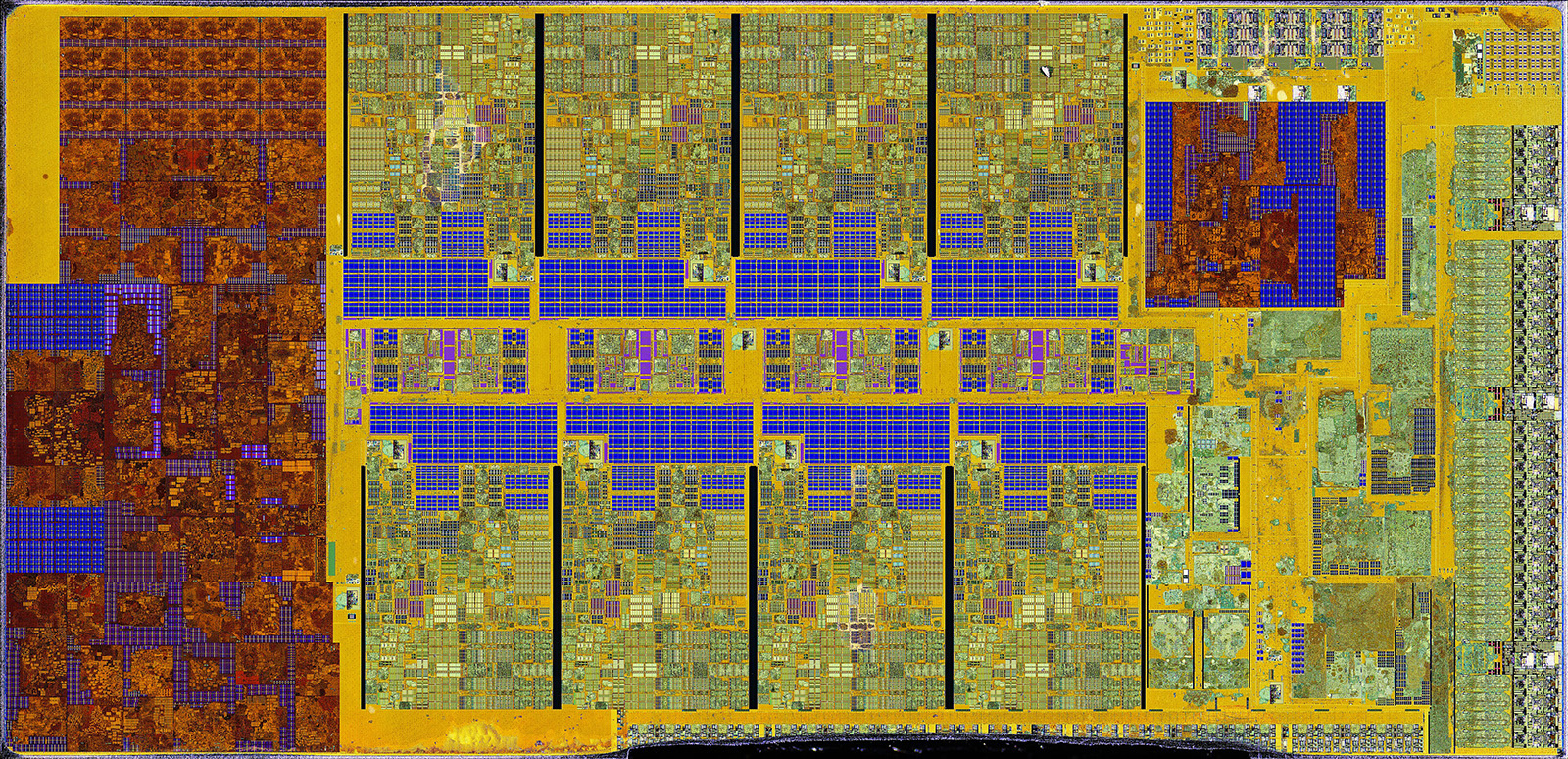
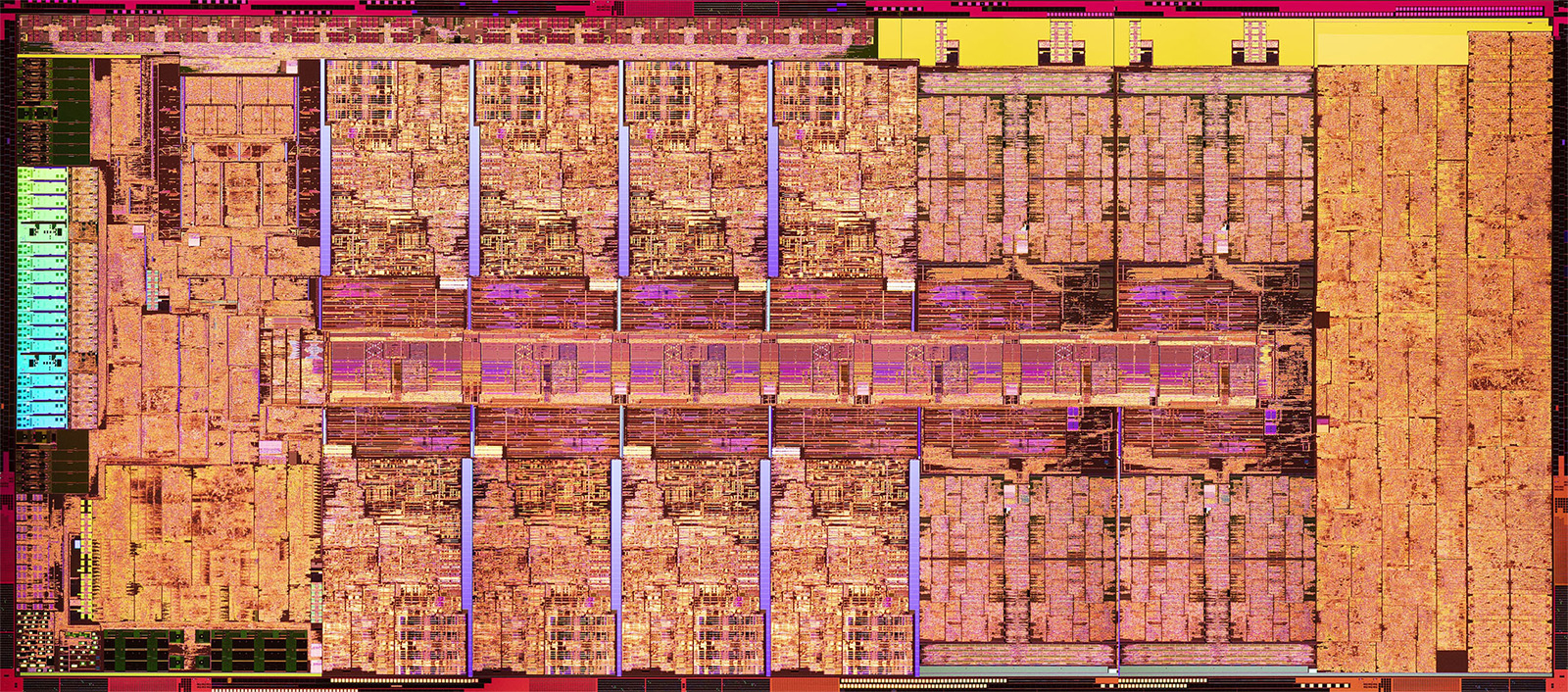
A true tectonic shift occurred with the launch of Alder Lake. Intel introduced a hybrid architecture: high-performance P-cores for demanding workloads and efficient E-cores for background processes. This shift arrived alongside the Intel 7 process, DDR5 support, and PCIe 5.0. The Core i9-12900K restored the company's confidence in its leadership, offering a fundamentally new approach to resource allocation via the Thread Director.
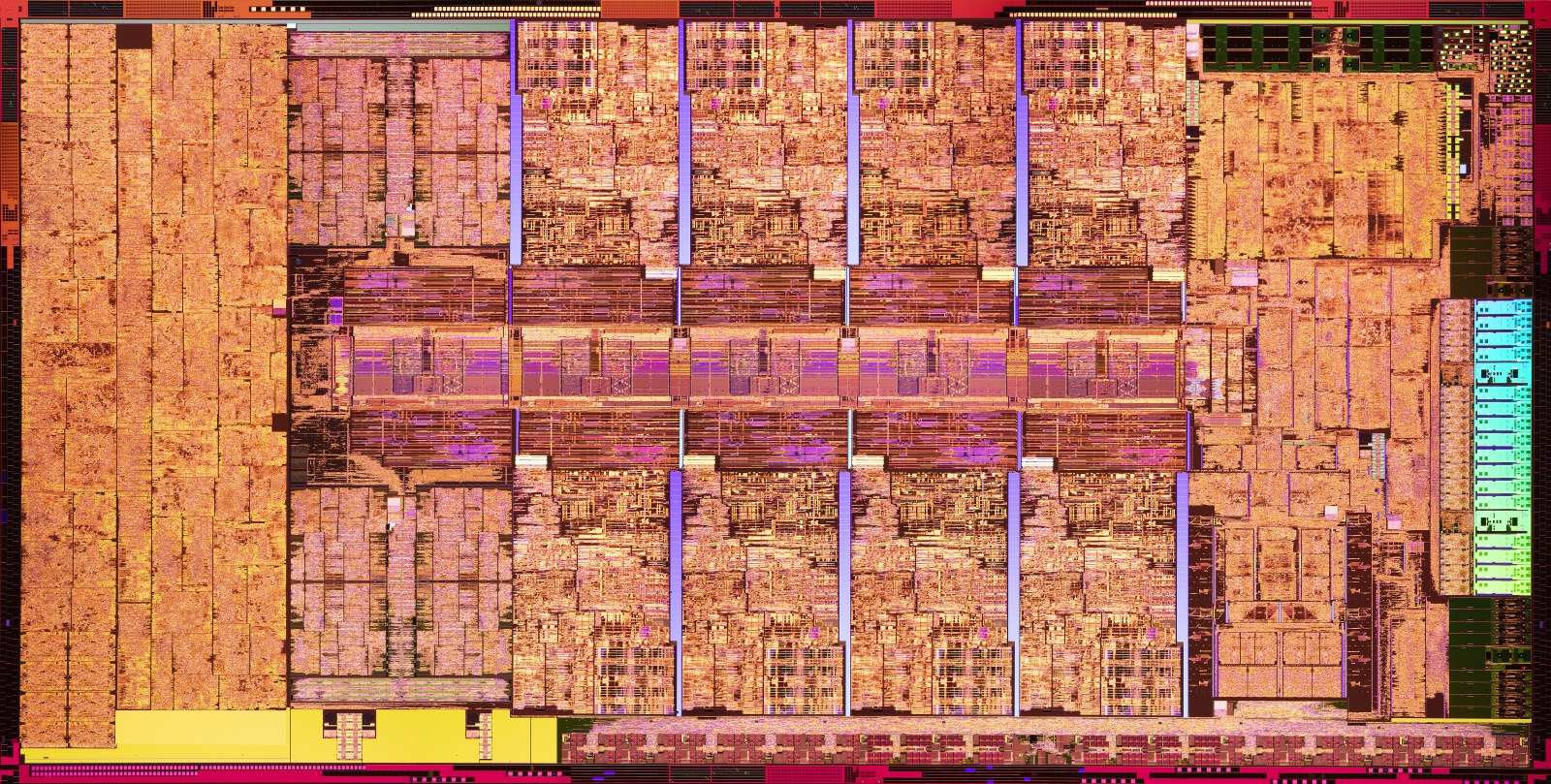
The subsequent Raptor Lake pushed the hybrid concept to its absolute limit. The Core i9-13900K and Core i9-14900K embodied a philosophy of "performance at any cost." Clock speeds hit the psychological milestone of 6.0 GHz, but this led to precarious consequences. Aggressive voltage settings triggered issues with premature silicon degradation, forcing the company to revise warranty obligations and release emergency microcode updates.
The current phase, represented by the Arrow Lake family and Core Ultra models, marks a complete strategic pivot. Intel has abandoned the monolithic die in favor of a tiled architecture (chiplets), outsourcing the production of compute blocks to TSMC. The Core Ultra 9 285K and Core Ultra 7 270K Plus are no longer chasing megahertz; instead, frequencies have been dialed back, and Hyper-Threading has been scrapped in favor of energy efficiency.
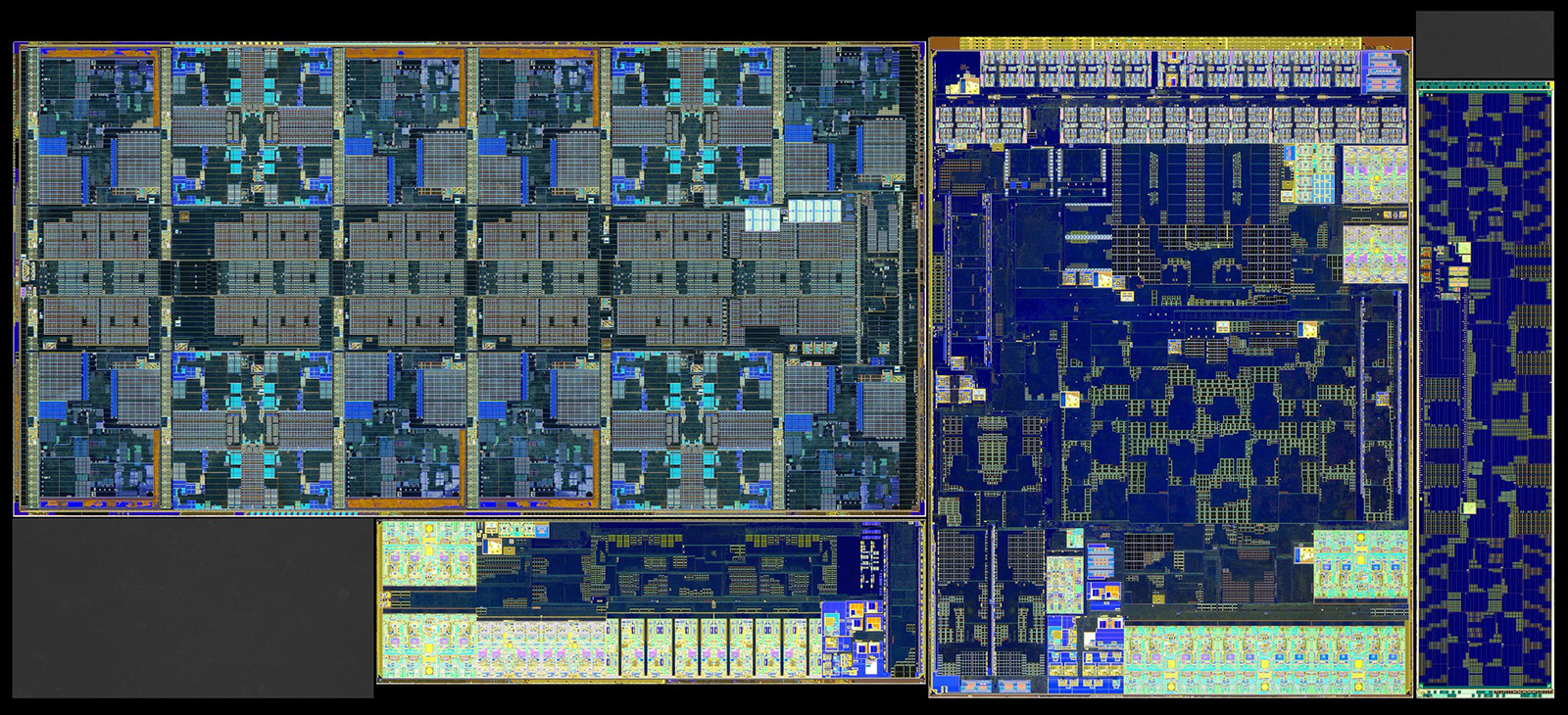
This transition to a disaggregated design has paid dividends in the form of drastically reduced power consumption, but it has introduced new challenges. Distributing components across different tiles increased data exchange latency, which negatively impacted gaming scenarios. Consequently, the Core Ultra 9 285K proved slower than its predecessor in certain games, despite consuming significantly less power. Only subsequent optimizations of the inter-chiplet interconnects in the Core Ultra 7 270K Plus have partially mitigated this effect.
An analysis of this ten-year cycle reveals that Intel has moved from linear frequency growth to complex architectural optimization. Where performance was once a direct function of clock speed, it now depends on pipeline efficiency, cache volume, and the quality of inter-tile communication.
Over a decade, multi-threaded performance has increased more than sevenfold, while single-threaded performance has more than doubled. However, the most critical achievement has been the return to sensible power consumption. Modern flagships deliver Raptor Lake-level power while consuming as much as processors from five years ago. This lays the groundwork for future generations, such as Nova Lake, where the primary emphasis will shift from brute force to the intelligent orchestration of computation.
 The Strategic Alliance of Nvidia and MediaTek