The preservation of digital gaming heritage is frequently hampered by the relentless pace of software obsolescence. As legacy engines lose compatibility with contemporary hardware, a community of dedicated enthusiasts has turned to the concept of open-source remakes to bridge the gap. Project OpenTDU embodies this ambition, seeking to completely rewrite the underlying architecture of the 2006 Test Drive Unlimited. This is far more than a mere aesthetic overhaul; it is a profound technical metamorphosis, reimagining a classic driving simulator for a new era.
The game development industry has seen a sustained trend toward creating "open" iterations of legacy hits. This trajectory has already been charted by projects such as OpenTTD and OpenMW, where the community effectively replaces closed, proprietary code with transparent, optimized alternatives. OpenTDU adheres to this same philosophy: developers are engaged in the meticulous reverse-engineering of the original game executable to rewrite its core functions using modern C++.
The primary objective is to bridge a widening technological divide. Migrating from the obsolete DirectX 9 to the modern Vulkan API not only boosts performance but ensures stability on contemporary GPUs. Parallel to this, the project is tackling cross-platform compatibility; the goal is full functionality across Windows, Linux, and macOS, effectively opening the door for Steam Deck users and other handheld gaming consoles.
Beyond graphical overhauls, the project focuses on resolving fundamental architectural flaws. This includes optimizing artificial intelligence, eliminating rendering artifacts, and patching security vulnerabilities that could become critical when running legacy code on modern operating systems. A pivotal addition will be the deep integration of a modding system, allowing high-resolution textures and user-generated content to be injected directly into the engine.
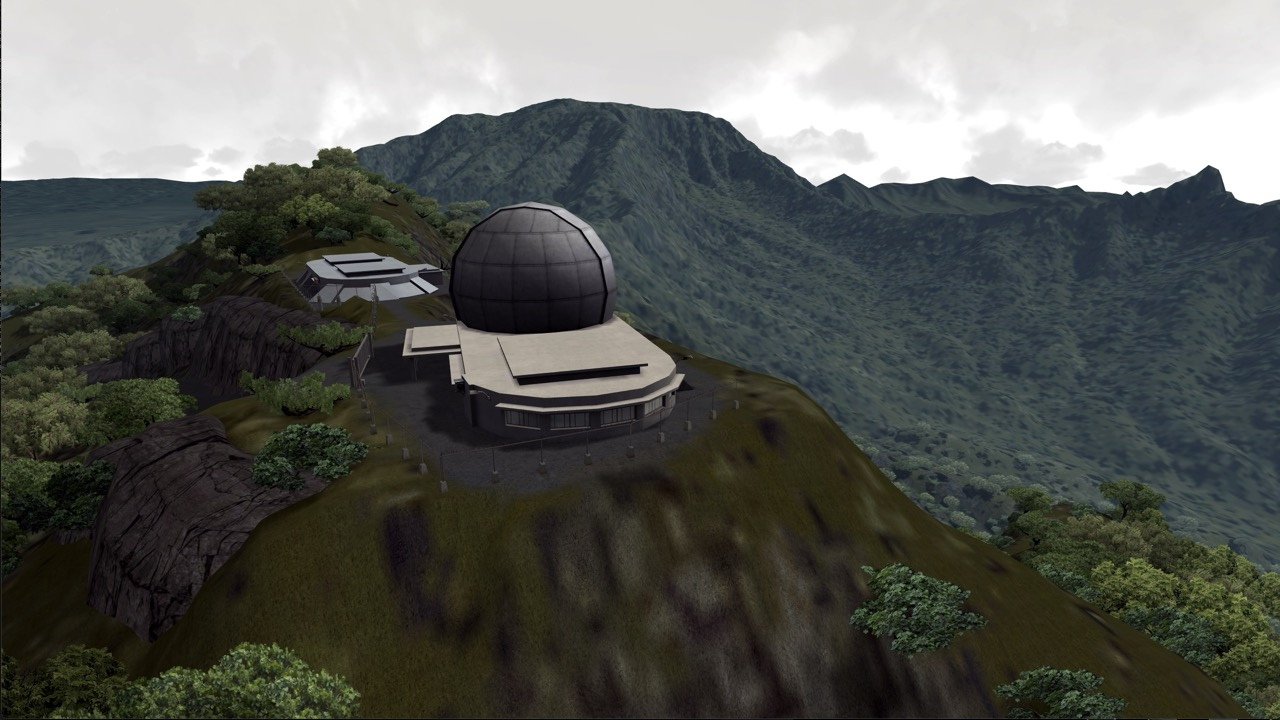
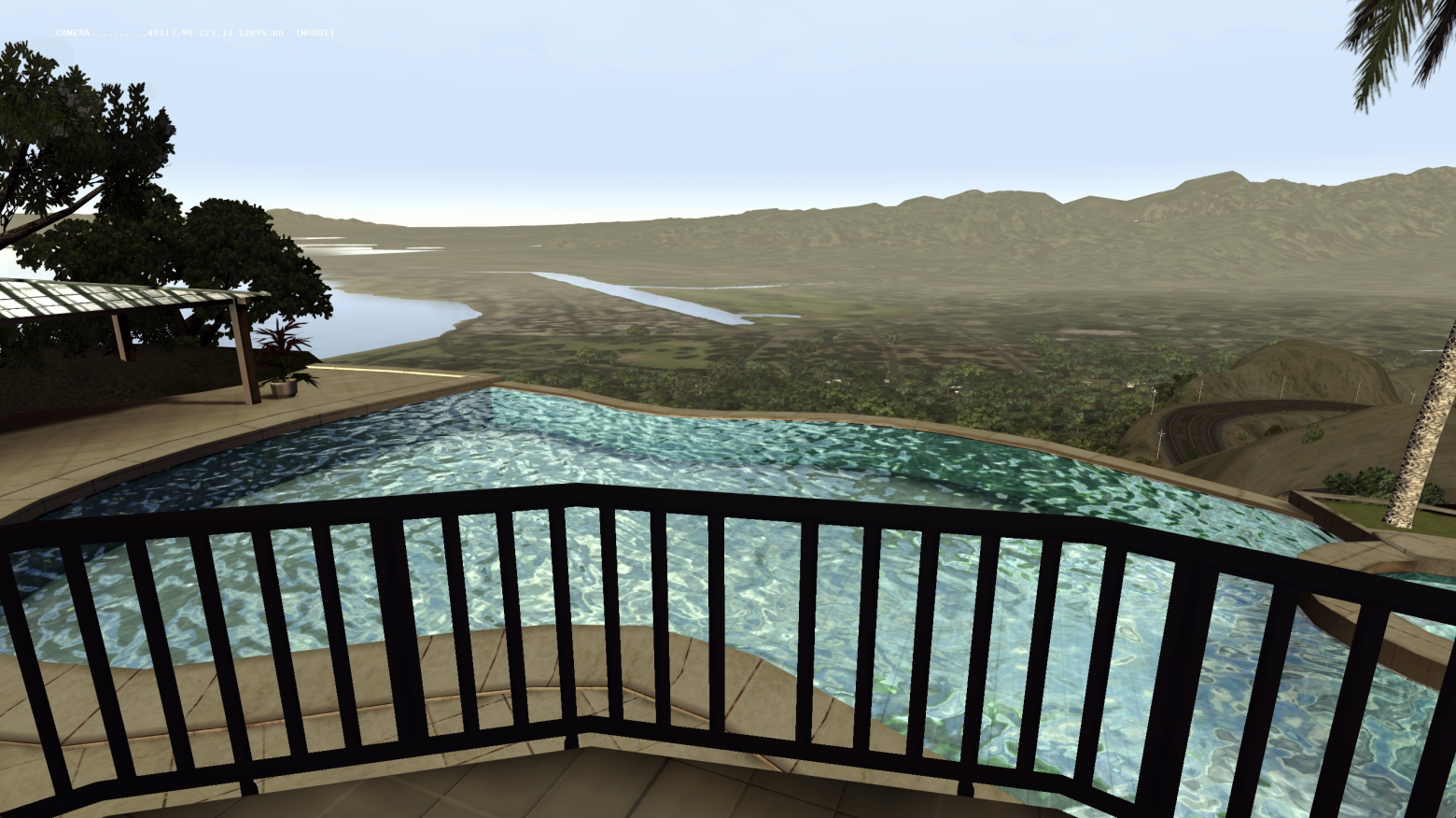
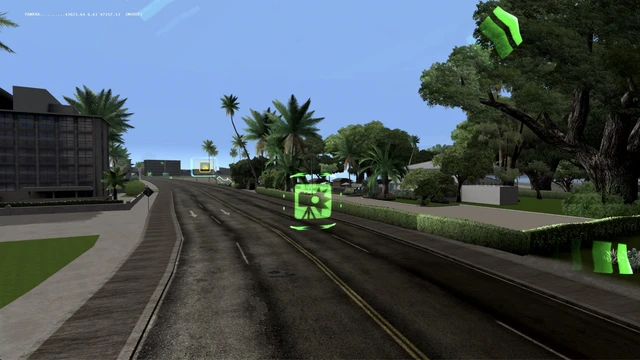
At its current stage of development, the project is demonstrating steady momentum. The team has already successfully implemented basic modes, such as VideoBumper and the CarShowCase interface. However, the most complex components—FreeRide, real-time map streaming, and authorization mechanisms—remain under active development. The entire process is transparent and accessible via a GitHub repository, allowing the community to contribute directly to the project's evolution.
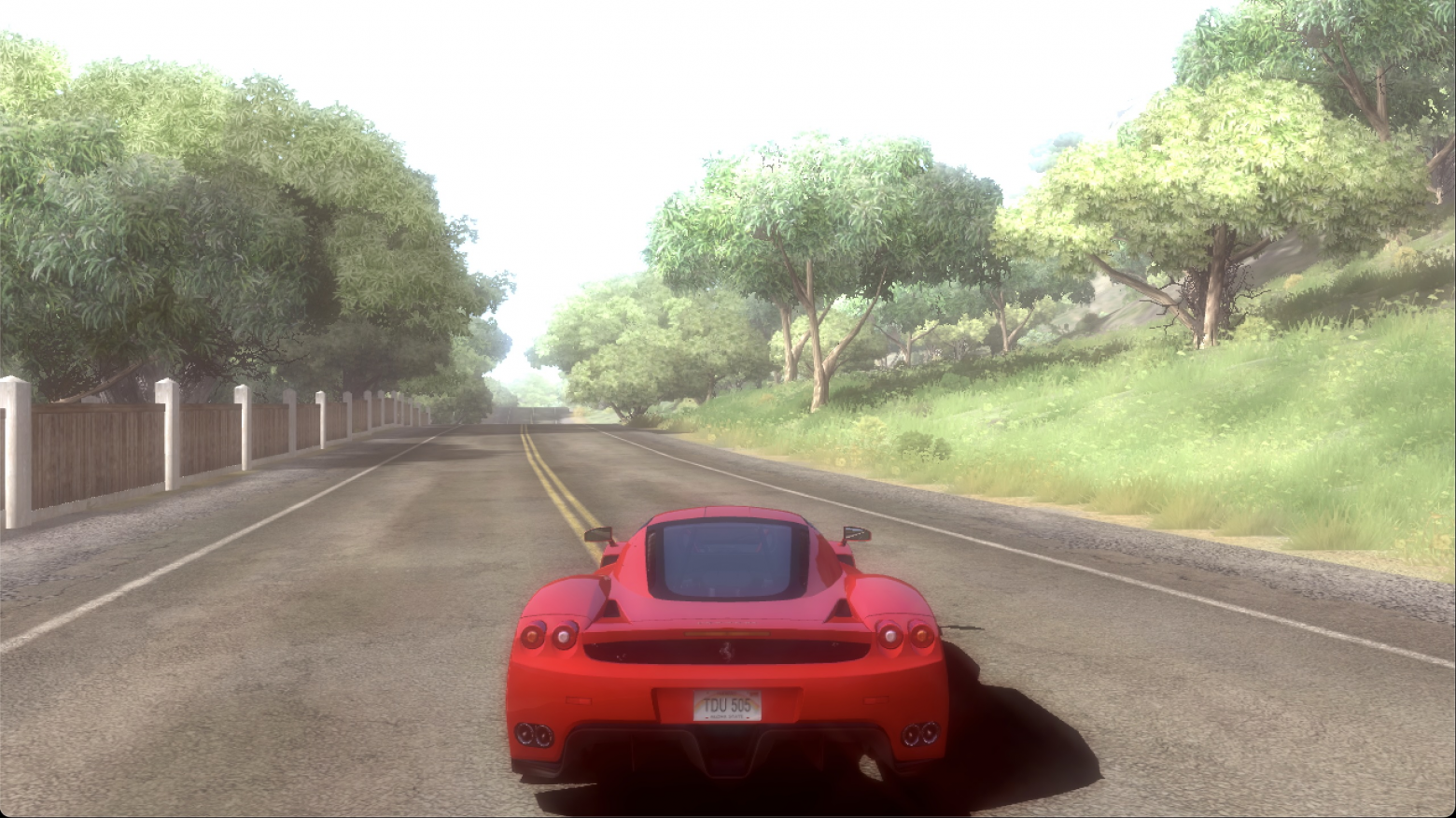
From both a technical and legal standpoint, OpenTDU is not a full clone or a free replacement for the game. The developers maintain a strict separation between software logic (the engine) and content (the assets). The project contains no copyrighted models, sounds, or maps. To launch the system, the user must own a legal copy of the original Test Drive Unlimited; the open-source engine files are simply integrated into the game's root resource folder, replacing the legacy executable with a more efficient, modern solution.
 The Convergence of Gaming Power and Extreme Protection