In an age of smartphone saturation, we are witnessing an unexpected pivot toward functional minimalism and digital detoxing. The market for basic handsets is evolving beyond its status as a refuge for the tech-averse, transforming instead into a deliberate tool for mindful information consumption. HMD Global, the steward of Nokia's legacy, is leveraging this nostalgia by reimagining its iconic product lines to fit contemporary realities. The introduction of a new iteration of the Asha series could mark a pivotal step in their strategy to capture the entry-level segment of feature phones.
The mobile industry is revisiting its origins. Regulatory filings from HMD Global have revealed a device under the index TA-1779, explicitly identified as the HMD Asha 305. This move appears to be a direct extension of the company's strategy to revive legacy hardware: the original Asha 305 debuted in July 2012, serving as an accessible bridge between the era of feature phones and the rise of full-fledged smartphones.
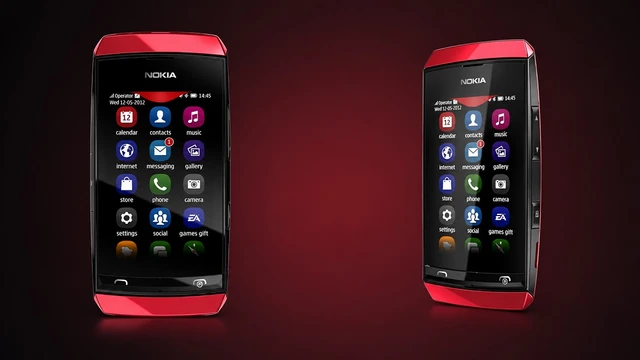
In its time, the Nokia Asha 305 was the embodiment of technological pragmatism. Powered by a lightweight S40 operating system, the device featured a modest three-inch display with a resolution of 400×240 pixels and minimal memory. However, it was precisely these elements—alongside a removable battery and microSD support—that became defining factors for autonomy and convenience for the mass market.
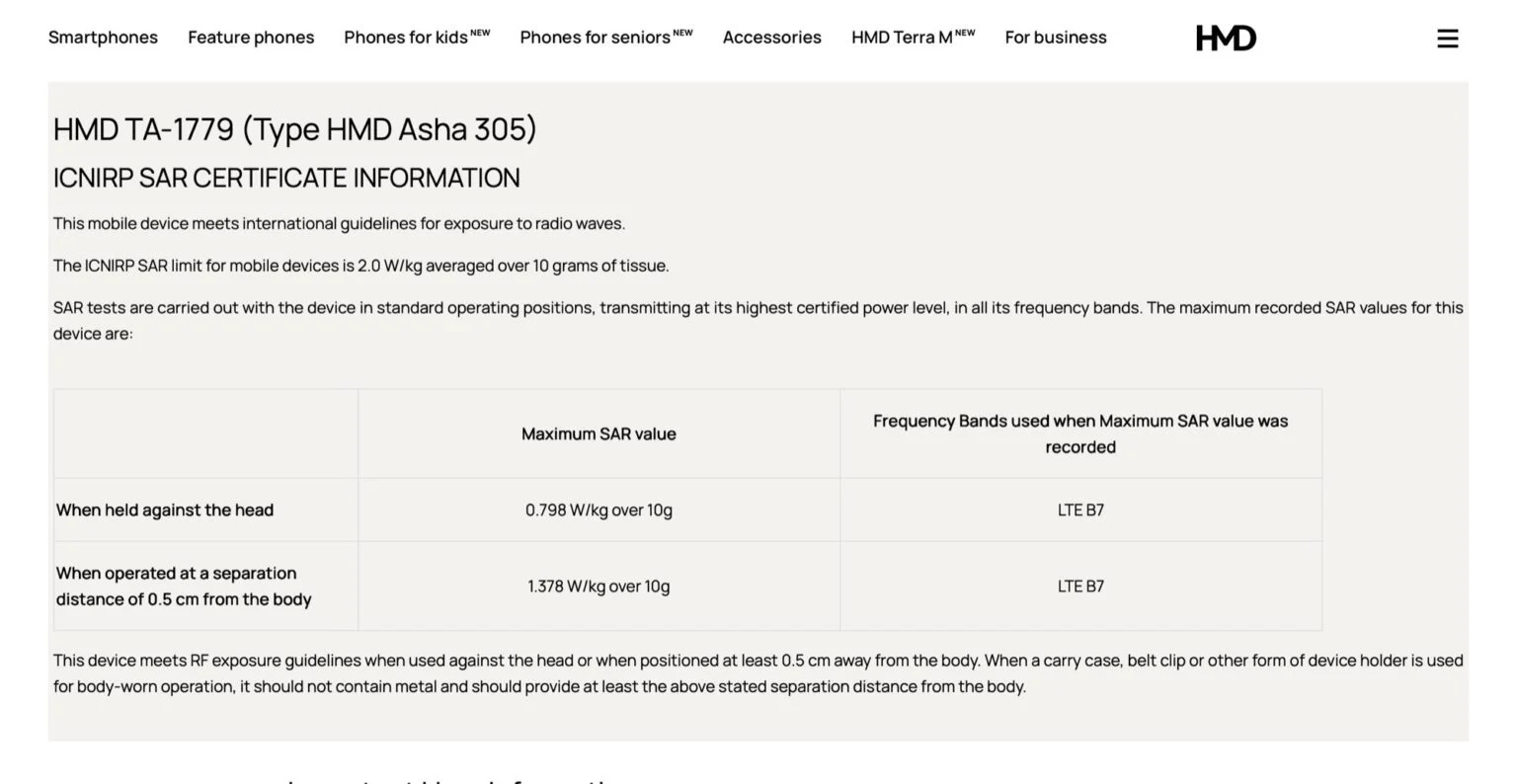
The modern interpretation of the Asha will not be a blind imitation of a decade-old device. Instead, HMD is crafting a contemporary tool that preserves the concept of a compact "feature phone" while adapting it to current connectivity standards. The most critical upgrade will be full LTE support, ensuring the device remains functional as carriers gradually phase out legacy 2G and 3G networks.
Technically, the new Asha will likely mirror the specifications of the recently unveiled HMD Touch 4G. It is expected to utilize an energy-efficient Unisoc T127 chipset paired with a lean 64 MB of RAM and 128 MB of internal storage. While these figures seem negligible compared to today's flagships, they are sufficient for fundamental tasks: voice calls, SMS, and basic multimedia. The inclusion of a USB-C port and a removable battery with a capacity of approximately 1950 mAh underscores a commitment to practicality and longevity.
HMD Global’s strategy is calculated. In the spring of 2024, the company successfully tested the waters by releasing an updated version of the legendary Nokia 3210. The success of that launch demonstrated a sustained demand for devices that allow users to cut through the digital noise while maintaining essential connectivity. The return of the Asha series is a logical next step in building a "secondary phone" ecosystem—serving either as a reliable backup or as the primary tool for those seeking a more minimalist digital lifestyle.
 The Evolution of Apple's Augmented Reality Ecosystem