The global energy landscape is currently undergoing a fundamental transformation, driven by geopolitical volatility and resource scarcity. China, now the epicenter of electric vehicle manufacturing, has evolved into a sprawling laboratory for pioneering new models of urban mobility. Recent disruptions in fuel supplies have served as a catalyst, accelerating the migration from internal combustion engines to electric propulsion across the ride-hailing and car-sharing sectors. This shift is driven less by environmental altruism than by stark economic imperatives, fundamentally redefining the cost structures of metropolitan transit.
China has long since evolved from a mere consumer of innovation into its primary architect. The emergence of industrial titans like BYD has established a formidable foundation, transforming electric vehicles (EVs) from exotic novelties into pragmatic business tools. However, the true catalyst for the mass adoption of electric transport within the taxi and rental sectors has been external: geopolitical instability in the Middle East, which triggered a surge in traditional fuel prices.
Statistical data reveals a clear correlation between geopolitical tension and shifts in consumer behavior. Periods of heightened conflict in the Persian Gulf consistently trigger a spike in activity across the taxi and short-term rental segments. By May of this year, trip volume grew by 6%, reaching 3.05 billion. The paradox of the situation is that while gasoline prices climbed, the cost of trips for the end consumer actually began to decline.
This economic shift was made possible by a radical reduction in operational expenditures. Operating an EV is significantly more cost-effective than maintaining an internal combustion engine (ICE) vehicle. This lower cost-per-kilometer has allowed operators not only to stabilize pricing but to engage in aggressive discounting, leading to a 10–15% drop in tariffs over the last six months. In the hyper-dense urban environments of China's megacities, an additional incentive has emerged: a growing trend among residents to abandon private car ownership. Electric taxis solve the parking dilemma and insulate the user from the volatility of global oil prices.
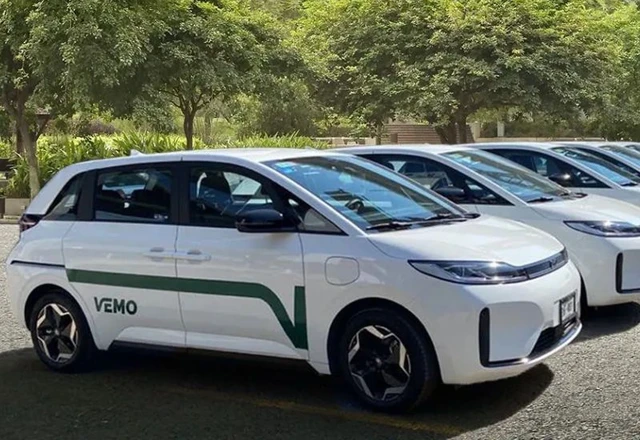
The scale of this electrification is staggering. Of China's total taxi fleet—approximately 1.3 million units—roughly half have already transitioned to electric propulsion. In major cities, this figure is approaching 100%, driven by systemic government incentives and subsidies. The ride-hailing giant Didi has played a pivotal role; EVs now account for 75% of its transport operations. Scaling is occurring at breakneck speed: in the past year alone, the company's corporate fleet added two million hybrids and electric cars, bringing the total number of non-ICE vehicles close to 8 million.
This infrastructural transformation has yielded tangible macroeconomic results. Despite an overall increase in traffic load, gasoline and diesel consumption have fallen by 10% and 14%, respectively. Oil imports in June showed a sharp decline—down 41% year-on-year.
A critical strategic element of this transition has been the Plug-in Hybrid Electric Vehicle (PHEV). These serve as a form of "insurance policy" for owners: during fuel price peaks, drivers switch to pure electric mode, leveraging battery range. When fuel costs dip, hybrid systems allow for optimized consumption while remaining far more efficient than classic combustion engines. In doing so, China is presenting the world with a model of adaptive mobility, where technological superiority becomes the primary tool for hedging against global energy crises.
 Stratospheric Platforms for Global Coverage