The convergence of gaming and cinema has evolved beyond mere adaptations, shifting toward the strategic acquisition of foundational intellectual property. Universal Pictures' latest agreement with Atari signals a new era in the monetization of retro-nostalgia, leveraging high-budget action spectacles to breathe life into legacy brands. By securing the rights to ten iconic titles, the studio aims to translate the abstract, pixelated aesthetics of the early gaming era into sweeping cinematic epics. This move underscores a broader global trend: the systematic reimagining of digital heritage to resonate with today's mainstream audience.
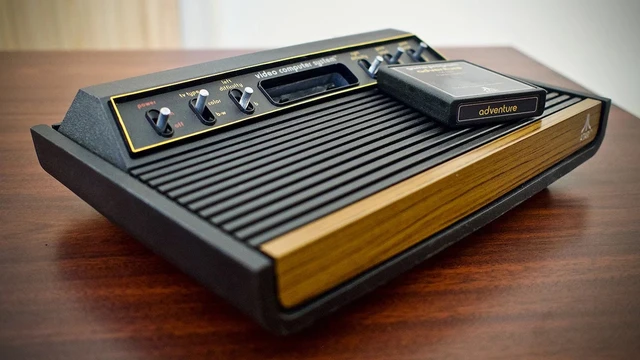
The film industry continues to mine the archives of early gaming for inspiration, and the latest high-profile move in this trend is a collaboration between Universal Pictures and Atari, facilitated by Entertainment 360. This agreement grants Universal the film rights to ten classic titles that effectively laid the foundation for the modern entertainment industry. The roster includes pillars of digital art such as Pong, Asteroids, Breakout, Centipede, and Missile Command, alongside other era-defining projects: Adventure, Berzerk, Crystal Castles, Millipede, and Yars' Revenge.
The strategic ambition behind this partnership transcends the mere translation of game mechanics to the silver screen. The goal is to craft expansive action-adventure epics where Atari’s original graphic minimalism serves as the blueprint for meticulously realized worlds. Herein lies the primary creative challenge: while players in the 70s and 80s used their own imaginations to fill in the gaps of a low-resolution universe, today's filmmakers must visualize that internal experience while preserving the spirit of the source material.
The catalyst for this deal was an original screenplay developed by Matt Reilly and Carl Hampton. This creative duo combines a profound understanding of Universal’s internal machinery with extensive experience working on major franchises such as Hellboy and Jungle Cruise. It is their vision that has transformed nostalgia for the Atari 2600 into a concept for a modern blockbuster. The first project will be produced by Guyon Cassedy, who views this as an opportunity to pioneer a new form of storytelling—one where the cultural code of legacy gaming is transposed onto a contemporary cinematic platform.
This deal is not an isolated incident, but rather part of a broader strategy by Atari to consolidate its assets and expand its influence. Recently, the company has been aggressively reclaiming rights to its historical series; for instance, it successfully acquired the rights to the first five installments of the Wizardry RPG saga, spanning 1981 to 1988. Simultaneously, Atari is strengthening its position in the modern market through acquisitions, such as Hipster Whale, the studio behind the viral hit Crossy Road.
Ultimately, we are witnessing a compelling cycle: the company that once defined the very architecture of video games is evolving into a powerhouse content provider for the film industry. This synthesis of retro-gaming and modern cinema not only attracts an audience that grew up with the first consoles but also introduces a new generation to the origins of digital culture through the lens of high-budget storytelling.
 Porting DLSS 5 to the Radeon RX 9000